
State and Federal Pressure Intensifies
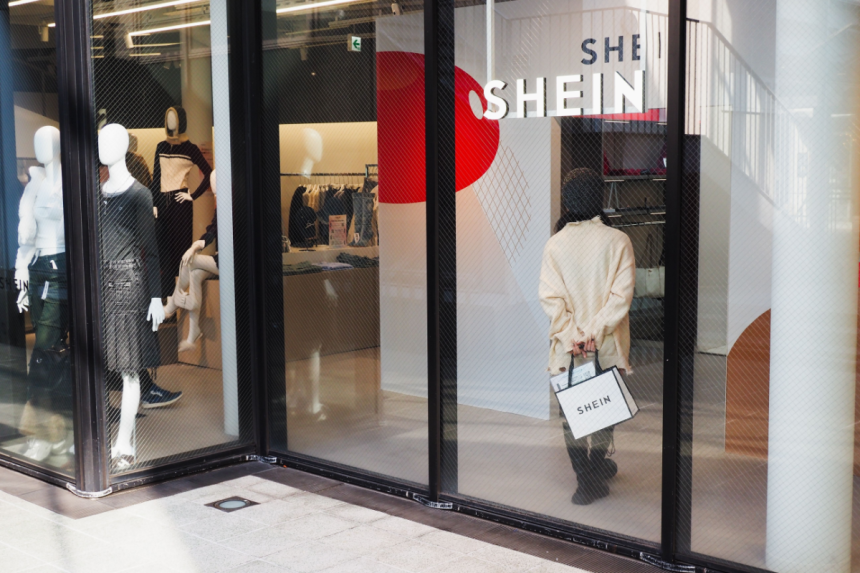
Two major online retailers, Shein and Temu, are under renewed pressure in the United States as lawmakers call for investigations into alleged forced labour, unsafe materials, and intellectual property violations. In Texas, Attorney General Ken Paxton has opened a probe into Shein following reports of unethical sourcing and concerns over hazardous materials. At the federal level, Senator Tom Cotton has urged the Department of Justice and the Department of Homeland Security to launch a nationwide inquiry into both companies’ business practices.
Cotton described Shein and Temu as “Communist Chinese platforms,” arguing that recent regulatory changes give authorities an opportunity to enforce tougher standards. His letter to Attorney General Pam Bondi highlighted accusations of widespread design theft and the sale of counterfeits targeting American consumers and small businesses.
Forced Labour and IP Theft Allegations
Shein said it would cooperate fully with Paxton’s office, noting that it welcomes “constructive engagement.” The retailer, headquartered in Singapore but manufacturing heavily in China, has long been under scrutiny for its fast-fashion model and environmental impact. Paxton’s investigation will look into alleged forced labour in its supply chain, the use of unsafe materials, and whether the company has misled consumers regarding ethical sourcing.
Meanwhile, Cotton’s request for a federal probe stems partly from a recent shift in import policy. President Donald Trump ended the de minimis exemption in August, subjecting low-cost shipments from China to tariffs and stricter customs checks. Cotton argues that millions of detained parcels now offer an opportunity to examine potential counterfeiting and IP theft at scale. He cited findings indicating that many products purchased from Shein and Temu during a U.S. review were likely counterfeit.
Broader Regulatory and International Concerns
Temu, which has rapidly grown to hundreds of millions of users worldwide, is also under investigation in France for harmful content accessible to young people. European regulators have additionally urged Shein to remove childlike sex dolls and weapons listed on its marketplace after French authorities raised the alarm. These concerns add to global pressure on both companies as governments question oversight of third-party sellers and the safety of listed items.
Paxton emphasized consumer protection in his announcement, vowing not to allow “cheap, dangerous, foreign goods” to undermine public safety. His office will also evaluate whether Shein’s data collection practices comply with Texas law. The attorney general has taken similar actions recently, including a lawsuit against Roblox, alleging safety violations affecting minors. Roblox has rejected the claims as inaccurate.
Growing Political Focus on Chinese E-Commerce Platforms
The scrutiny of Shein and Temu reflects broader concerns in Washington over Chinese-linked platforms and their influence in U.S. markets. Both companies have faced criticism for rapid product replication, allegations of counterfeiting, and opaque supply chains. As U.S. policymakers adopt a tougher stance on trade, consumer safety, and digital platforms, Shein and Temu now find themselves navigating investigations that could reshape their operations in America.
While Shein has offered cooperation, Temu has not yet commented, leaving open questions about how both retailers will respond as pressure expands across state, federal, and international jurisdictions.