

First UK prime ministerial trip to Beijing since 2018
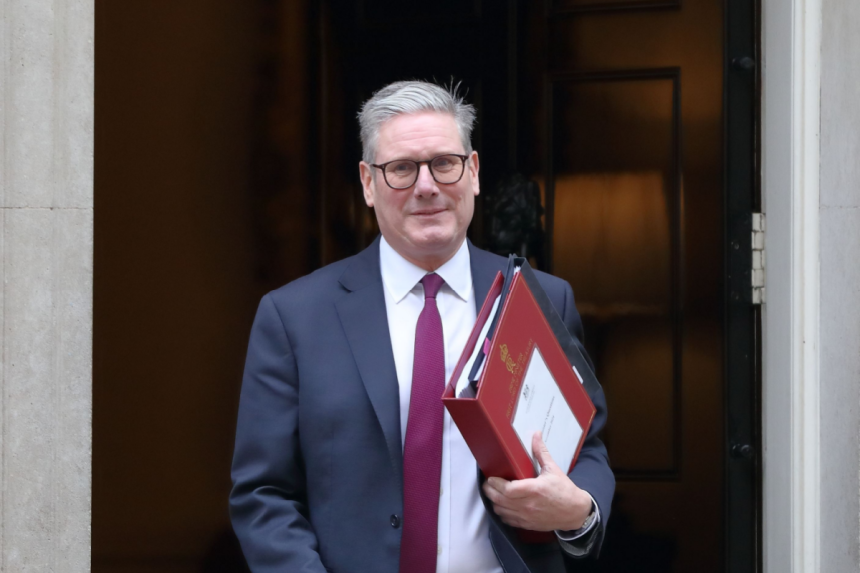
Sir Keir Starmer is travelling to Beijing this week, becoming the first British prime minister to visit China since 2018. He is scheduled to meet Chinese President Xi Jinping on Thursday, marking a significant step in the UK government’s effort to reset relations with Beijing after years of fluctuating engagement.
The delegation includes around 60 British business and cultural leaders, among them representatives from HSBC, pharmaceutical giant GSK, Jaguar Land Rover and the National Theatre. Senior government figures accompanying the prime minister include Business Secretary Peter Kyle and Economic Secretary to the Treasury Lucy Rigby.
Rebooting UK–China relations
Downing Street has framed the visit as a strategic necessity, arguing that China’s economic and geopolitical importance makes consistent engagement unavoidable. Speaking ahead of the trip, Starmer said the UK’s China policy has been marked by years of inconsistency, swinging from optimism to confrontation.
“Like it or not, China matters for the UK,” the prime minister said, adding that engagement does not mean ignoring disagreements. He is expected to argue that “strategic re-engagement” strengthens Britain’s position rather than weakens it.
The government also notes that the UK has lagged behind comparable Western nations in senior-level engagement. Leaders from France, Germany and Canada have all visited Beijing recently, leaving Britain increasingly isolated in its approach.
Human rights and security concerns
The visit has drawn criticism from opposition figures and human rights advocates, who warn that closer ties risk legitimising China’s record on civil liberties and national security concerns. China has been accused of crimes against humanity against the Uyghur population in Xinjiang, allegations Beijing denies.
There is also ongoing concern over the treatment of Jimmy Lai, the Hong Kong pro-democracy media tycoon who faces a potential life sentence. Downing Street said Starmer would “raise challenging issues where interests and values differ,” including human rights.
Security agencies have also expressed alarm about Chinese espionage activities in the UK. The head of MI5 recently warned that Chinese state actors pose a persistent national security threat, intensifying scrutiny around closer diplomatic engagement.
Political backlash at home
The visit comes amid domestic controversy over the government’s decision earlier this month to approve plans for a new Chinese embassy in London, set to become the largest in Europe. Critics argue the site could pose intelligence risks.
Conservative shadow foreign secretary Priti Patel accused Starmer of appeasing Beijing, saying the prime minister was travelling “without any leverage” and failing to stand up for British interests. Labour has rejected those claims, insisting engagement is necessary to protect economic and security priorities.
Wider diplomatic context
Starmer has previously met President Xi at the G20 summit in Rio de Janeiro in November 2024. After concluding meetings in Beijing and Shanghai, he will travel to Tokyo to meet Japan’s new prime minister, Sanae Takaichi.
The trip also unfolds against a complex international backdrop. U.S. President Donald Trump is expected to visit the UK in April, and some members of his administration have voiced scepticism about European countries deepening ties with Beijing.