
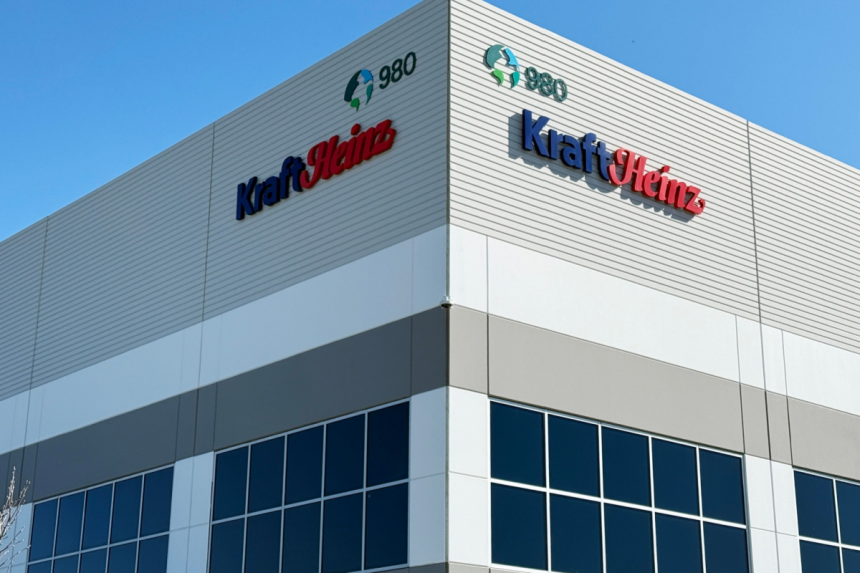
Kraft Heinz announced it is pausing its previously unveiled plan to split the company, signaling a strategic shift under new CEO Steve Cahillane. Instead of moving forward with a separation, the food giant will concentrate on stabilizing and revitalizing its core operations, particularly in the United States. Alongside the announcement, the company revealed a $600 million investment aimed at accelerating a turnaround effort focused on marketing, innovation and pricing strategy.
The decision marks a pivotal moment for a company that has struggled for years with declining U.S. sales and brand underinvestment following its landmark $46 billion merger a decade ago.
Strategic Pause Under New Leadership
Steve Cahillane, who joined Kraft Heinz in January, emphasized that many of the company’s challenges are “fixable and within our control.” He stated that returning the business to profitable growth is his top priority, requiring full focus on executing the operating plan rather than managing the complexities of a corporate separation.
By halting the breakup process, Kraft Heinz also avoids additional dis-synergies that would have resulted from splitting the business. The pause reflects a recalibration of strategy just weeks after Cahillane assumed leadership, highlighting his willingness to reassess long-term structural decisions.
$600 Million Investment in U.S. Turnaround
To support the turnaround, Kraft Heinz will invest $600 million in its U.S. operations. The funds are earmarked for marketing initiatives, expanded sales efforts, research and development, and enhancements in product quality. The company also plans to focus on selective pricing strategies to strengthen competitiveness.
For years, analysts have criticized Kraft Heinz for underinvesting in its iconic brands, including Oscar Mayer and Maxwell House. The renewed commitment to brand-building and innovation suggests a departure from previous cost-cutting strategies that defined much of the post-merger era.
Investor Reactions and Market Skepticism
Market reaction to the announcement was mixed. Shares of Kraft Heinz initially fell by as much as 5% before recovering to trade near flat levels. Some analysts expressed caution, noting that the decision to pause the split may indicate that the company’s divisions are not yet strong enough to operate independently.
TD Cowen analyst Robert Moskow suggested investors may interpret the move negatively, citing uncertainty over when the business could be ready for separation. Meanwhile, Piper Sandler analyst Michael Lavery described the situation as a “show me” story, emphasizing that meaningful and sustainable growth will require more than a strategic reset.
Berkshire Hathaway’s Position
Warren Buffett, who played a key role in orchestrating the original merger, previously expressed disappointment over plans to break up the company. Berkshire Hathaway, which holds a 28% stake, has begun steps toward unwinding its position under new CEO Greg Abel. Abel publicly supported the decision to pause the separation, stating that it allows management to focus on strengthening competitiveness and serving customers more effectively.
Conclusion
Kraft Heinz’s decision to pause its breakup underscores a broader effort to prioritize operational improvement over structural change. With a substantial investment in brand revitalization and renewed leadership direction, the company is attempting to rebuild momentum in its core U.S. market. However, investor skepticism suggests that execution and measurable results will ultimately determine whether this strategic pivot delivers sustainable growth.
Keywords: Kraft Heinz, Steve Cahillane, corporate breakup pause, U.S. business turnaround, $600 million investment, brand revitalization, Berkshire Hathaway stake, Warren Buffett, food industry merger, stock market reaction