
Power cuts and shortages redefine basic routines
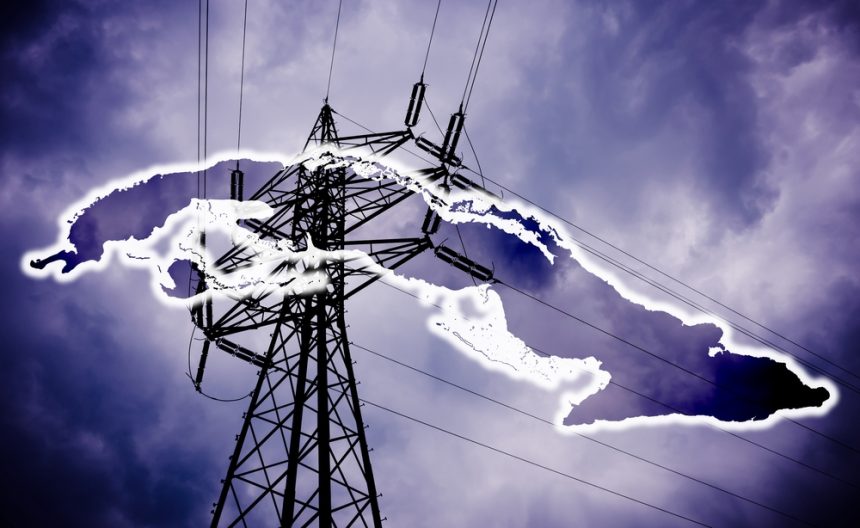
For millions of Cubans, the country’s economic emergency is no longer measured only in inflation, scarce imports or shrinking state capacity. It is increasingly experienced through the timing of electricity. Daily routines now depend on brief and unpredictable windows of power that determine when people can cook, wash clothes, refrigerate food or charge a phone. In many homes, planning has been replaced by improvisation, with families forced to reorganize each day around outages that can last far longer than the power service itself.
The strain reaches well beyond inconvenience. Intermittent electricity has turned ordinary household tasks into repeated calculations about timing, cost and waste. Food spoils before it can be stored safely. Water access becomes unreliable. Transport breaks down when fuel is scarce or electric scooters cannot be charged. Even relief from heat and mosquitoes can become inaccessible when fans stop working for most of the day. The result is a population navigating a cycle of physical fatigue and constant uncertainty.
That pressure is unfolding as Cuba and the United States hold talks over the island’s future. While the political process remains opaque, the material reality inside Cuba continues to worsen. The long-running economic crisis has intensified since the Trump administration blocked oil shipments to the island, tightening fuel supply in an economy already weakened by years of structural fragility. Fuel can still be found in limited quantities for dollars, but that provides little comfort to households without access to foreign currency.
Families adapt as food, transport and water become harder to secure
In Havana and beyond, shortages now shape nearly every aspect of domestic life. Workers with unstable incomes face rising difficulty in feeding their families, especially as inflation pushes staples and protein out of reach. Some households rely on informal neighborhood sellers and small home-based businesses for yogurt, prepared foods or basic necessities. Refrigerators cannot be trusted when outages stretch for most of the day, forcing people to buy in smaller quantities and at higher relative cost.
Transport has also become less reliable. With fuel in short supply, buses operate only during limited hours, mainly aligned with the start and end of the workday. Private taxis are often unaffordable, while three-wheel scooters used for transport can disappear from the streets when blackouts prevent charging. This has narrowed mobility across the capital and made commuting, shopping and medical visits harder to manage.
Water shortages compound the stress. In some areas, homes go days without running water, requiring residents to store what they can in buckets and tanks whenever service returns. Bathing and cleaning often depend on heating small amounts of water manually. For those without stable access at home, even securing enough water for basic hygiene may require long walks to a friend’s house or another informal source.
Years of dependence and external shocks have worsened the downturn
Cuba’s current breakdown has deep roots. Since the years following the 1959 revolution, the island has relied on outside support to sustain consumption and energy supply. The Soviet Union once filled that role, providing fuel, food and industrial backing until its collapse in 1991, when the Cuban economy contracted sharply. Later, aid and oil from Venezuela helped stabilize conditions, though without restoring previous levels of economic security.
That support weakened as Venezuela entered recession in 2014, gradually reducing the flow of energy and assistance to Cuba. From that point, blackouts lengthened and shortages worsened. The situation deteriorated further after 2020, when Donald Trump reversed much of the earlier diplomatic opening under Barack Obama and the coronavirus pandemic devastated tourism, one of the island’s most important sources of hard currency. By the time new restrictions on oil shipments were imposed in January, many parts of Cuba were already enduring outages of 12 hours or more.
Economists say the latest energy restrictions have pushed an already fragile system closer to a humanitarian threshold. According to one analyst, the shortages have now reached a level that threatens lives, with daily existence increasingly revolving around access to power. The uneven geography of the crisis makes it even more severe outside Havana, where outages can last far longer and access to goods is more limited.
Mounting hardship raises risks for public health and social stability
The consequences are visible in both living conditions and public order. Waste collection has faltered as fuel shortages have crippled municipal services, leaving large piles of rotting garbage in residential areas. Those conditions create obvious health risks, particularly after last year’s mosquito-borne illness outbreak, which affected a significant share of the population. The sight of people searching through trash for usable items has become an indication of how deeply living standards have deteriorated.
Public dissent remains unusual in Cuba, but frustration is surfacing more openly. Residents have staged sporadic nighttime protests by banging pots in the streets and setting fire to trash. In Morón, protesters reportedly entered the local Communist Party headquarters, threw rocks and set furniture ablaze. Five people were arrested. Such incidents remain exceptional, but they point to a rise in anger as shortages become harder to absorb.
The government has indicated that it may allow members of the Cuban diaspora to invest in and own businesses on the island, suggesting a possible effort to attract outside capital and ease pressure on the domestic economy. President Miguel Díaz-Canel has also acknowledged talks with Washington while cautioning that these processes move slowly and discreetly. For now, however, those discussions offer little immediate relief to households coping with prolonged blackouts, unaffordable food and failing services. In many parts of Cuba, the crisis is no longer an abstract economic story. It is a daily struggle over power, water and survival.