

Electricity costs climb as demand surges and clean energy projects stall
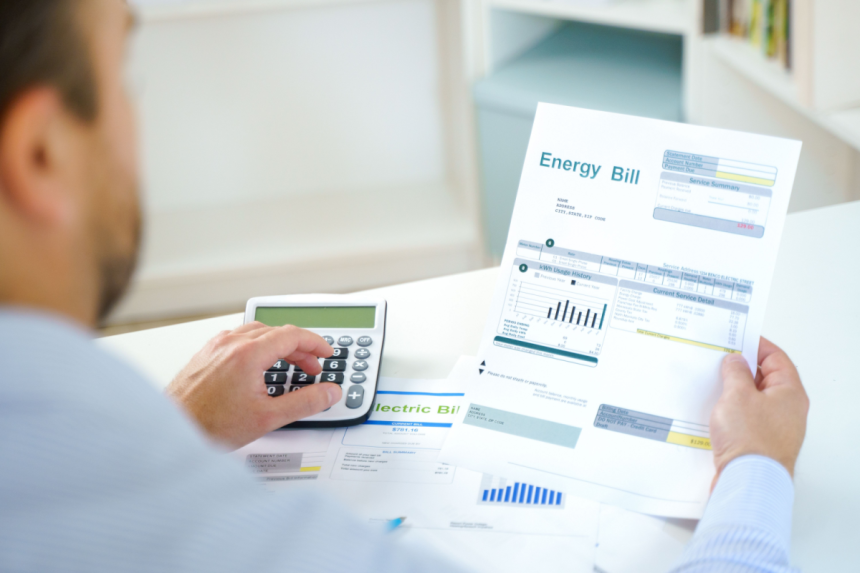
American households are paying significantly more for energy in 2025, according to a new report analyzing data from the U.S. Energy Information Administration. The study, released by climate advocacy group Climate Power, found that average electric bills have increased by 13% nationwide since President Donald Trump took office earlier this year.
The report attributes much of the increase to policy shifts that have slowed the deployment of new power generation, particularly from renewable sources, while energy demand continues to rise.
Policy changes and canceled projects
Climate Power points to a large spending bill signed by President Trump in July, arguing that it has driven up utility costs by removing cheaper and cleaner energy sources from the grid while extending tax advantages to oil and gas producers. According to the report, projects canceled or delayed since the 2024 election represent nearly 25,000 megawatts of lost planned capacity, enough to power more than 13 million homes.
Another recent analysis by the Center for American Progress and the Natural Resources Defense Council found that U.S. households are paying an average of 9.6% more in utility bills in 2025 compared with last year.
Data centers and rising demand
Experts say surging electricity demand is a major driver of higher prices. Data centers, electric vehicles and other energy-intensive technologies are pushing consumption higher at a pace utilities are struggling to match.
“We’re just not able to bring new supply on as quickly as demand is growing, and that’s driving prices up,” said David Spence, a professor of energy law at the University of Texas. Mark Wolfe of the Center for Energy Poverty and Climate added that data centers account for a substantial portion of the demand increase.
Growing debt and political debate
Higher energy costs are also contributing to rising household debt. Research from Protect Borrowers found that Texas currently has the largest number of households behind on utility payments, with more than 940,000 accounts in arrears.
The White House pushed back against the report’s conclusions, arguing that President Trump is reversing policies that previously drove electricity prices higher. A spokesperson said that “high energy prices are a choice,” blaming state-level policies in Democratic-led states for continued affordability challenges.
Renewables under pressure
Since returning to office, Trump has renewed criticism of renewable energy and moved to roll back or cancel several clean energy initiatives, including the termination of the $7 billion Solar for All program. Environmental groups warn that such decisions will make it harder to control long-term costs, particularly for low-income households.
Climate Power estimates that more than 165,000 clean energy jobs have been lost or stalled due to recent policy changes, while warning that electricity prices could climb further as extreme heat and digital infrastructure place additional strain on the grid.