
Hydropower without dams or mountains
A pioneering underground hydropower project near Plymouth has begun generating electricity using a new approach that works on gentle hills rather than steep dam walls or mountainous terrain.
The project, developed by energy storage company RheEnergise, applies the core principles of traditional pumped hydropower but adapts them for locations previously considered unsuitable. By embedding the system underground, the technology allows renewable energy to be stored and released using modest slopes, greatly expanding where hydropower-style storage can be deployed.
This breakthrough could make long-duration energy storage viable in many more parts of the UK and internationally, while also reducing construction costs and development timelines compared with conventional hydropower plants.
How the high-density fluid system works
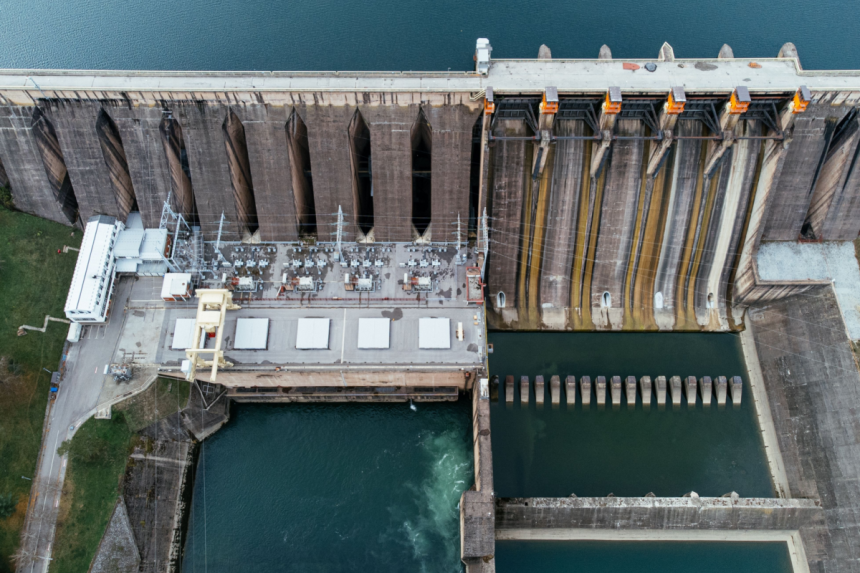
Conventional pumped storage hydropower uses surplus electricity to pump water uphill when energy supply is high. When electricity demand rises, the water is released downhill through turbines to generate power.
RheEnergise’s system follows the same logic but replaces water with a proprietary mineral-rich fluid that is more than two-and-a-half times denser. This increased density allows the system to generate the same amount of electricity using hills that are less than half the height normally required.
According to the company, the Cornwood demonstration site has consistently generated 500 kilowatts of power, enough to supply roughly 400 homes annually if operated continuously.
Long-duration storage for a renewable grid
The project is backed by UK government funding aimed at accelerating long-duration energy storage solutions. As renewable power from wind and solar continues to expand, the ability to store electricity for extended periods is becoming critical for grid stability.
By absorbing excess renewable generation during periods of high output and releasing it when supply is low, technologies like this could reduce reliance on fossil fuel backup generation. They may also limit the need for grid operators to curtail wind and solar farms when production exceeds demand.
Plans for commercial expansion
RheEnergise said it is already in discussions with independent developers in the UK, Italy, Spain, Poland and North America, with the aim of delivering the first commercial-scale projects within the next three years.
Larger partnerships with utility companies are expected later in the 2030s, as renewable penetration increases and demand for flexible, long-duration storage grows across power systems worldwide.
Government support and net zero goals
The UK government has committed more than £69 million to support the development of long-duration energy storage technologies. Officials believe these systems will play a key role in lowering the overall cost of reaching net zero by smoothing fluctuations in renewable energy output.
Energy storage innovations like this are seen as increasingly important as electricity demand rises and the UK moves toward a cleaner, more resilient power system.