
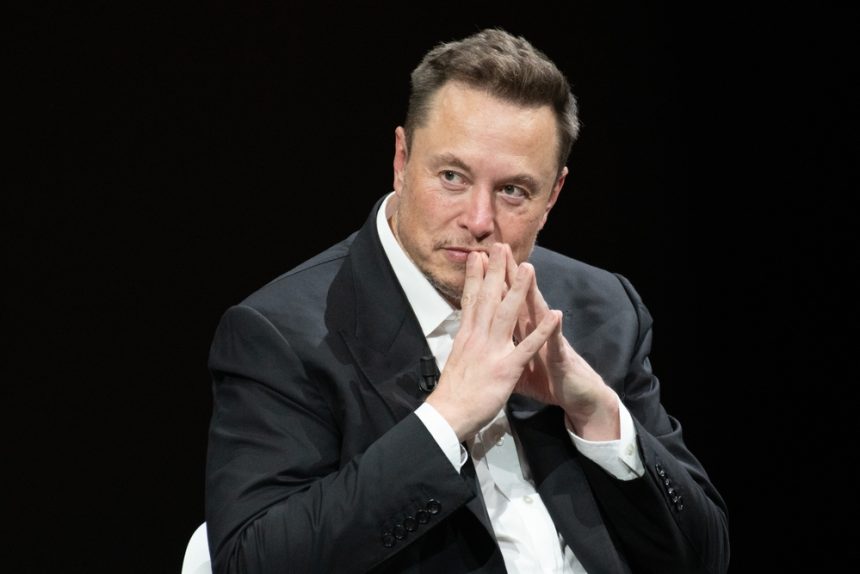
Investor focus sharpened on Musk’s AI ambitions after the SpaceX xAI merger valuation was set at $1.25 trillion and the founder said xAI “was not built right first time around” and is now being rebuilt from the ground up.
Deal Structure Raises New Questions for Public Markets
The combination stitched xAI into a larger corporate orbit that also includes X, the social network Musk previously folded into xAI via an all stock transaction. In the SpaceX xAI deal, SpaceX was valued at about $1 trillion while xAI was tagged at roughly $250 billion, according to reporting that cited documents viewed by CNBC.
That timing matters for markets because SpaceX is preparing to go public sometime this year, a move that could become a record setting IPO if it happens. With xAI now tied more closely to SpaceX, investors are likely to scrutinize how AI spending, talent turnover, and product risk could influence IPO readiness, governance expectations, and valuation narratives.
Founder Departures Add Execution Risk
The rebuild follows a wave of exits among xAI’s early team. Reports say co-founders Zihang Dai and Guodong Zhang have left, after earlier departures by influential researcher Jimmy Ba and others including Tony Wu and Toby Pohlen.
Musk acknowledged that candidates were previously declined and said he and xAI’s engineering talent lead Baris Akis are reviewing interview history and reaching back out to promising prospects. From an investor standpoint, the message is a reset: the company is implicitly admitting early hiring and org design choices were misaligned with today’s competitive pace.
Capital Commitments, Cost Pressure, and AI Coding Competition
Markets are also watching the funding stack. Tesla said it agreed to invest $2 billion into xAI tied to a previously announced $20 billion funding round. The investment underlines the strategic integration across Musk’s companies, but also ties xAI’s progress to Tesla’s balance sheet optics and shareholder expectations.
Meanwhile, SpaceX has been recruiting from high profile AI coding talent pools, including two programmers hired from coding startup Cursor. The Financial Times reported Musk ordered job cuts after seeing rapid gains from AI coding tools offered by rivals such as OpenAI and Anthropic. Investors have treated AI coding as a leading indicator of which platforms are compounding product velocity fast enough to defend market share.
Regulatory and Product Risk Around Grok
Any IPO linked narrative will face questions about operational risk, including controversies around Grok, xAI’s chatbot and image generator. The product has drawn government investigations in multiple jurisdictions related to misuse and safety concerns, including the generation of non-consensual sexual imagery.
At the same time, Grok has landed U.S. government contracts, including with the Defense Department and the General Services Administration. That mix can cut both ways for markets: validation of relevance, but also tighter scrutiny and reputational downside if safety controls fail.
AI Infrastructure Spending Moves From Story to Balance Sheet
xAI has been spending heavily on data center and power buildout in and around Memphis, Tennessee, and recently secured a permit in Mississippi for a large natural gas turbine power plant aimed at supporting data center loads. The strategy suggests a push toward energy and compute self reliance, which can help performance and uptime but raises questions about cost of capital, timelines, and regulatory exposure.
Tesla’s operational links extend beyond capital. The automaker is integrating Grok into vehicle infotainment and navigation, using Grok models alongside work on Optimus humanoid robots, and has sold large volumes of backup batteries to xAI for data centers. For investors, it creates a cross company flywheel, but also concentrates execution risk across multiple high profile bets.