

Solar Leads Eight Straight Months of Additions
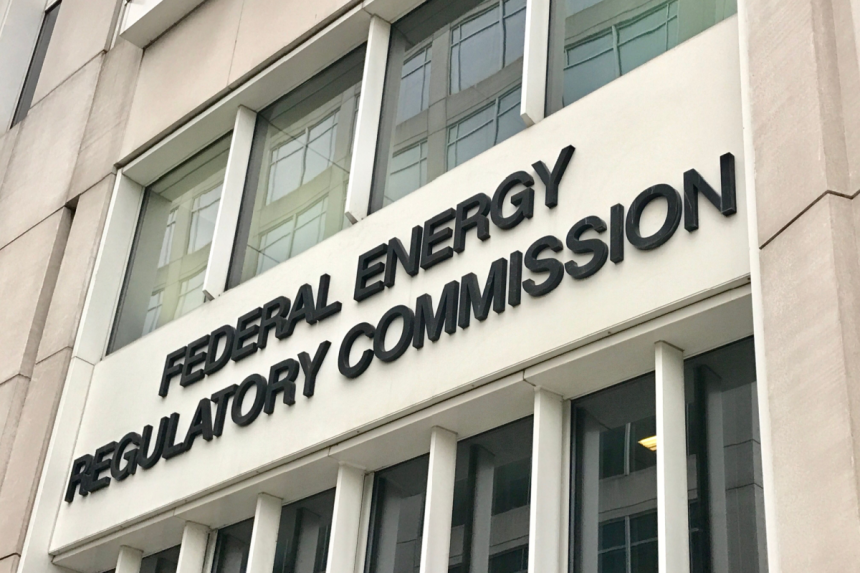
New federal data shows that renewable energy is reshaping the U.S. electricity landscape at a pace few expected. According to an update from the Federal Energy Regulatory Commission, renewable sources made up 88% of all new generating capacity added over the first eight months of the year. The figures, highlighted by Electrek, underscore how quickly clean energy is expanding despite policy shifts at the federal level.
Solar continued to outperform every other energy source in each month of the reporting period, marking the second consecutive year in which it held the top position throughout. Combined, utility-scale solar and wind now account for 23.44% of total U.S. generating capacity, a milestone that reflects steady investment from both private developers and utilities.
The growth comes even as the Trump administration has scaled back a number of clean-energy grant programs and emphasized fossil fuel development as part of its energy-security agenda. Nuclear, biofuels and select renewable sources such as hydropower remain areas of support, but large federal subsidies for solar and wind have largely been reduced or eliminated.
Clean Energy Expansion Continues Despite Policy Shifts
Despite these changes, the FERC’s outlook points to further gains for renewables. The agency’s projections show that renewable energy sources classified as “high probability” additions are expected to add 113,708 megawatts of net capacity over the next three years — essentially the remainder of the current administration’s term.
By contrast, combined fossil fuel and nuclear capacity is expected to decline during the same period. FERC estimates a net loss of 16,329 megawatts as older coal, gas and nuclear units retire faster than new ones come online. The trend aligns with market dynamics, where lower renewable costs and improved grid integration have encouraged utilities to shift toward cleaner sources.
New solar construction is also being driven by demand from major technology companies scaling up artificial intelligence infrastructure. In Oklahoma, for example, a large solar farm is being developed to support Google’s expanding data-center operations. Similar agreements with cloud-computing and semiconductor firms have helped renewables maintain momentum even as federal incentives fluctuate.
The FERC report does not include residential rooftop systems, which make up a significant share of national capacity. According to Electrek, nearly 30% of all U.S. solar capacity now comes from rooftop installations on homes and small businesses — an area continuing to grow as consumers look for long-term savings and insulation from volatile utility prices.
Rooftop Solar Emerges as a Key Force
Household-level solar adoption is playing an increasingly important role in the energy transition. While large utility-scale projects grab most of the attention, rooftop systems have become one of the fastest-growing segments of the market. They offer predictable savings, require no new transmission infrastructure, and can be installed quickly.
Industry analysts point out that rooftop installations help reduce strain on local grids and lower emissions associated with traditional electricity generation. One industry observer recently described residential solar as “the unsung hero” of the sector, given its steadily rising contribution and widespread accessibility.
Homeowners can save thousands of dollars over the lifespan of a rooftop system, especially in regions where utility rates are rising. Financing options have also expanded, including subscription-style leases that allow households to adopt solar with no upfront cost while locking in stable energy prices. Some leasing plans can cut monthly bills by as much as 20%, offering protection from future energy inflation.
Energy-efficient upgrades are also gaining traction as part of broader household sustainability planning. Modern HVAC systems, heat pumps and efficient cooling technologies can reduce energy use by up to 50%, multiplying the impact of rooftop solar for long-term savings.
Taken together, the combination of large-scale renewable development and rising household adoption has positioned clean energy to play an increasingly dominant role in the U.S. power sector over the coming years — regardless of the policy direction in Washington. With strong additions on the grid and continued consumer interest, renewables are on track to remain the fastest-growing source of electricity nationwide.