

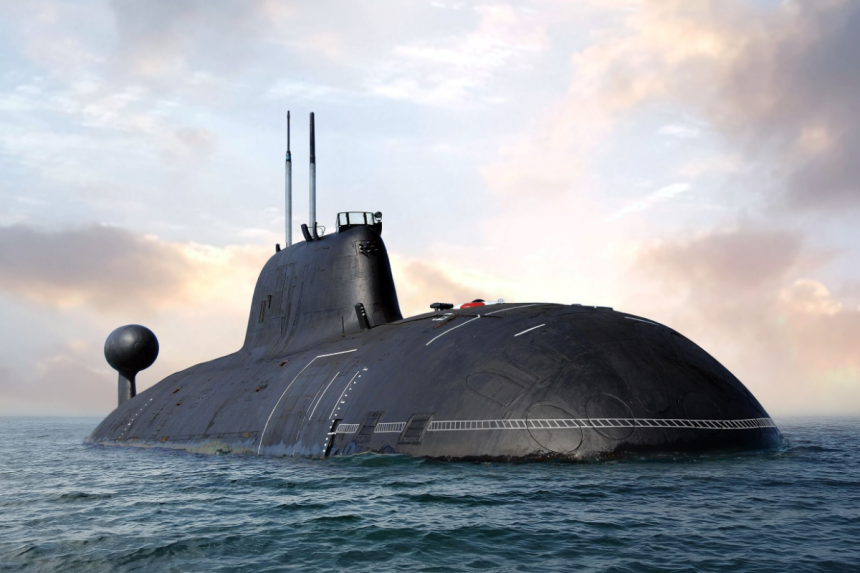
An accelerating competition over nuclear powered submarines is reshaping security dynamics on the Korean Peninsula. Recent disclosures from North Korea and rapid policy shifts in South Korea highlight a growing underwater arms race, influenced by changes in United States defense strategy and rising concerns over regional deterrence.
North Korea Reveals Nuclear Submarine
North Korea’s state media revealed images of what it described as an 8,700 ton nuclear powered strategic guided missile submarine. This marked the first public disclosure of the vessel’s size and what appears to be a completed hull since Pyongyang announced its nuclear submarine ambitions in 2021.
North Korean leader :contentReference[oaicite:0]{index=0} said the submarine is intended to counter a deteriorating security environment. He criticized South Korea’s plans to pursue similar capabilities, labeling them an offensive move that would require a response.
South Korea Moves Quickly
South Korea has accelerated its own nuclear submarine initiative after receiving approval from :contentReference[oaicite:1]{index=1} in October. A government wide task force has been launched, and officials confirmed discussions with Washington to secure access to military use nuclear fuel.
Seoul has long argued that conventional diesel powered submarines lack the endurance and speed needed to counter North Korea’s expanding maritime nuclear capabilities. South Korean officials have pointed to submarine launched nuclear missiles and nuclear capable torpedoes developed by the North as key drivers of urgency.
US Strategy and China Factor
The United States views future South Korean nuclear submarines as tools not only against North Korea but also as part of broader regional deterrence. US Navy leadership has said it is a natural expectation that these assets contribute to shared strategic goals, particularly in balancing China’s growing naval power.
South Korean President Lee Jae Myung made a rare reference to China during his summit with Trump, noting that diesel submarines limit the country’s ability to track vessels beyond nearby waters. His office later clarified that South Korea does not seek direct military confrontation with Beijing.
Public Opinion and Long Term Risks
Public sentiment in South Korea remains cautious. Surveys show that many citizens favor neutrality in a potential US China conflict, even as support for nuclear armament grows amid doubts about long term US security guarantees.
Analysts argue that nuclear powered submarines could serve as a stepping stone toward broader strategic autonomy. However, the South Korean government continues to deny any intention to pursue nuclear weapons, despite parallel talks with Washington on fuel cycle technologies.
Conclusion
The race for nuclear powered submarines between North and South Korea reflects deeper shifts in regional security and alliance dynamics. As the United States recalibrates its role and China expands its influence, underwater capabilities are emerging as a central element in Northeast Asia’s evolving balance of power.