

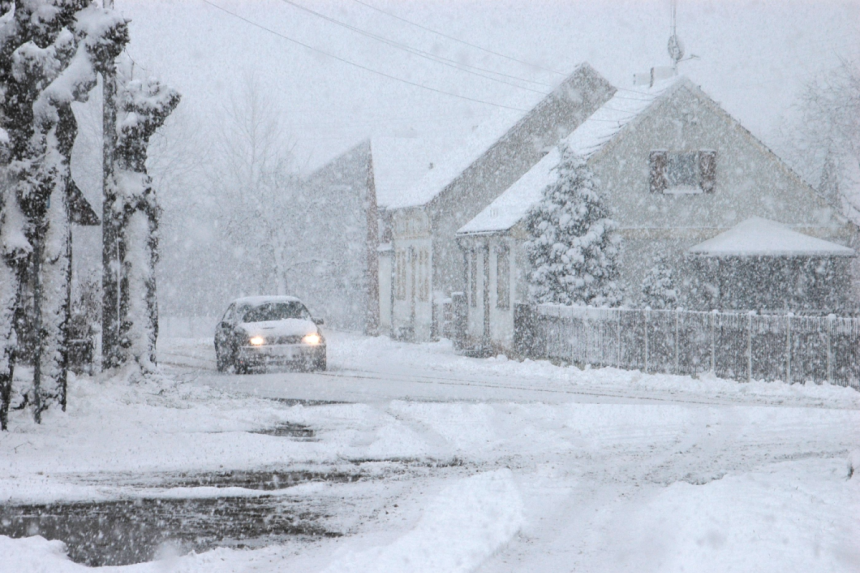
Severe cold disrupts oil, gas and electricity markets
U.S. crude oil and natural gas production declined sharply on Friday as a powerful winter storm brought freezing temperatures, snow and ice across large parts of the country. The system, named Fern by meteorologists, is forecast to affect regions stretching from the southern Rockies to New England through Monday, increasing the risk of travel disruption, power outages and infrastructure strain.
Energy analysts warned that the combination of extreme cold and hazardous conditions is forcing operators to shut in production across key oil and gas basins, while electricity markets are experiencing sharp price swings.
Oil and gas production shut-ins accelerate
U.S. crude output is expected to fall by roughly 300,000 barrels per day as producers temporarily halt operations, according to Energy Aspects. The firm said production losses could grow further if temperatures remain below seasonal norms.
The Permian Basin, which accounts for roughly half of total U.S. crude production, is expected to see output fall by around 200,000 barrels per day this weekend alone. The basin, spanning Texas and New Mexico, is forecast to produce 6.63 million barrels per day in January.
North Dakota, the third-largest oil-producing state, has already reported production declines of between 80,000 and 110,000 barrels per day, equivalent to up to 10% of its output. Associated natural gas production in the state has also dropped sharply.
Natural gas production nationwide could fall by as much as 86 billion cubic feet over the next two weeks, with the Appalachia region accounting for an estimated 35 billion cubic feet of lost supply.
Power grid operators on alert
Power grid operators across the country are preparing for surging demand and transmission bottlenecks. The U.S. Department of Energy has urged grid operators to keep backup generation resources at data centers and other critical facilities available to prevent widespread outages.
More than 35 gigawatts of unused backup generation capacity remains available nationwide, which officials say could help stabilize the grid and limit blackouts during the storm.
Spot electricity prices in parts of the Midwest and Great Plains surged above $200 per megawatt-hour due to congestion on high-voltage transmission lines. In contrast, regions with strong wind generation experienced negative power prices, as excess supply overwhelmed local demand.
Fuel markets brace for demand shifts
Fuel traders expect gasoline demand to decline as travel slows and households stay indoors. Diesel markets, however, are tightening as the fuel is increasingly used for heating and backup power generation.
Ultra-low-sulfur diesel futures rose to their highest level since November, gaining around 3% to $2.44 per gallon. Analysts cited potential refinery disruptions and surging distillate demand in areas where natural gas supply is constrained.
Major fuel delivery hubs linked to the Colonial Pipeline are expected to face ice and snow for several days, pressuring logistics and pushing some gasoline shipping prices into negative territory.