

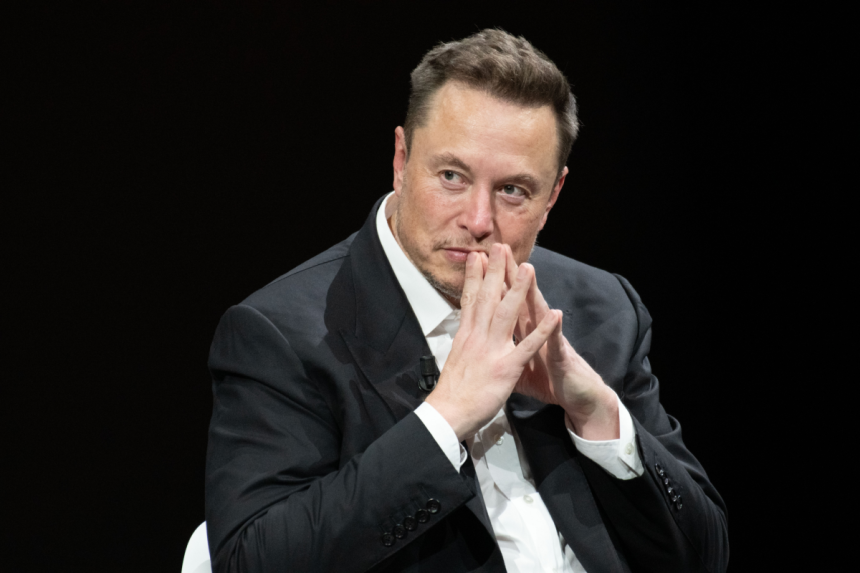
SpaceX has acquired xAI, merging two of Elon Musk’s most ambitious ventures into what is now the most valuable private company in the world. The deal underscores both the capital intensity of artificial intelligence development and the growing strategic link between AI and the future of space infrastructure. The acquisition also highlights the escalating global race to secure computing power as AI models become more resource intensive.
Valuation and Strategic Rationale
According to data from PitchBook, SpaceX was valued at 800 billion dollars following a secondary share sale in December 2025, while xAI reached a valuation of 230 billion dollars in its January funding round. The merger combines these valuations under a single corporate structure, reflecting the importance of AI to SpaceX’s long term vision and the significant funding needs required for xAI to compete with other major AI players.
AI Compute and the Push Beyond Earth
Musk framed the acquisition as a step toward solving one of AI’s biggest constraints: access to affordable and scalable computing power. Current AI systems rely on massive terrestrial data centers that require enormous amounts of electricity and cooling. Musk argues that space offers a more logical solution due to abundant solar energy and physical capacity.
Plans for Space Based Data Centers
SpaceX recently filed a request with the Federal Communications Commission to launch up to one million satellites. The proposal outlines a network of solar powered orbital data centers designed to handle the rapid growth in AI driven data demand. Musk has stated that within two to three years, space could become the lowest cost environment for generating AI compute.
Rising Energy Demand and Industry Pressure
The acquisition comes as AI dramatically increases global power consumption. Industry leaders have warned that next generation AI models may require vastly more energy than earlier systems. Goldman Sachs estimates that AI could drive a 165 percent increase in data center power demand by 2030. Major technology firms are responding with heavy capital spending, while some communities near data centers have already seen sharp rises in electricity costs.
Controversies and Operational Risks
xAI’s expansion has not been without controversy. Its chatbot Grok, integrated with the social media platform X, has faced criticism for generating inappropriate and harmful content. While the company has attributed these incidents to system updates, they have raised broader concerns about governance, safety, and oversight as AI capabilities expand.
Corporate Integration and Culture Challenges
There was already significant overlap between SpaceX and xAI, including shared personnel and infrastructure. However, former employees have warned of potential cultural friction, citing differences between xAI’s rapid experimentation ethos and SpaceX’s more structured engineering environment. Managing this integration may prove critical to the success of the combined organization.
IPO Prospects and Financial Implications
Musk has confirmed plans for a future SpaceX initial public offering, previously estimated at around 1.5 trillion dollars. The addition of xAI could further increase investor interest and valuation. A public listing would significantly expand the company’s ability to raise capital and could further boost Musk’s net worth, which already stands at historic levels.
Conclusion
The acquisition of xAI by SpaceX represents a major consolidation of AI and aerospace ambitions under one corporate roof. As AI demand accelerates and energy constraints tighten, the merger signals a bold attempt to redefine how and where advanced computing infrastructure is built, with implications that extend far beyond the technology sector.