

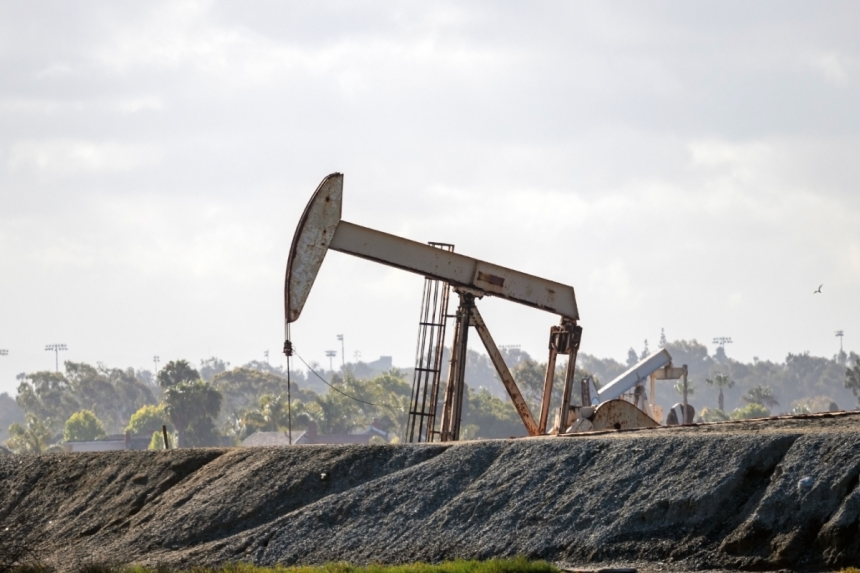
Concerns over a renewed oil price shock are resurfacing as geopolitical tensions intensify and crude prices climb. Analysts warn that abrupt increases in oil prices could trigger inflationary pressure, disrupt financial markets, and constrain central bank policy options. Recent developments involving major oil producing nations have heightened these risks.
Rising Oil Prices and Geopolitical Drivers
Oil prices surged in recent weeks following US actions in Venezuela and threats of military escalation involving Iran, both key crude producers. Brent crude, the global benchmark, rose roughly 10% over the past week and traded above 65 dollars a barrel, its highest level since November. These movements have renewed fears of supply disruptions.
When Higher Prices Become a Shock
Market analysts note that an oil price near 80 dollars a barrel could constitute a true oil shock. Such a scenario would likely pressure both equity and bond markets simultaneously, as higher energy costs feed inflation and weigh on economic growth. Elevated inflation could also limit the Federal Reserve’s ability to cut interest rates, removing a key support for risk assets.
Market Vulnerability and Inflation Risks
After several years of strong stock market performance, analysts caution that markets may be more vulnerable to negative shocks. Rising oil prices could undermine investor confidence, particularly if inflation expectations increase. Financial institutions have identified oil price volatility as a material risk to their broader economic outlooks.
Global Supply Concerns
Geopolitical analysts estimate a significant probability of a major global oil supply shock if conflicts in the Middle East escalate. A disruption involving Iran or neighboring producers could result in substantial losses of oil output. Such an outcome would affect global importers, including Europe and major Asian economies, increasing economic uncertainty worldwide.
Conclusion
The combination of rising geopolitical risk, strong oil demand, and constrained supply has increased the likelihood of an oil price shock. While prices have not yet reached critical levels, analysts warn that continued escalation could have broad consequences for inflation, financial markets, and global economic stability.