
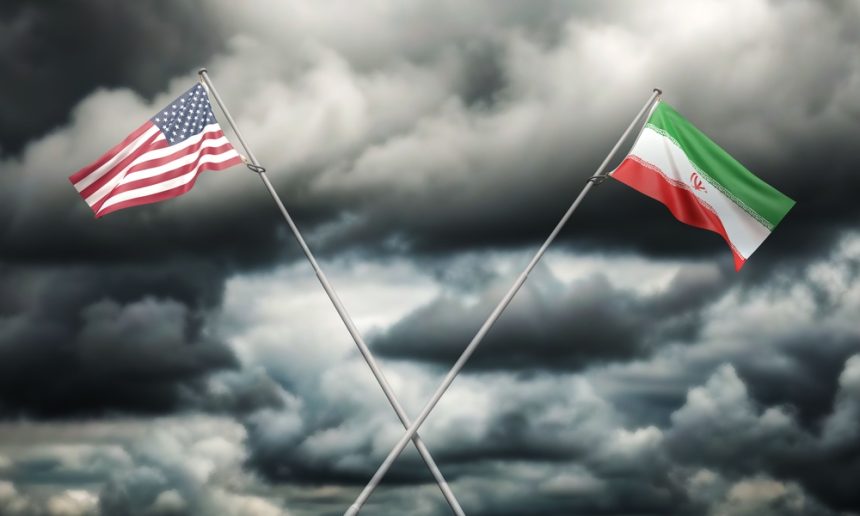
Iran, the United States and Israel agreed to a two-week ceasefire on Tuesday, pulling the region back from the brink just hours before Donald Trump’s deadline and threats of a far more devastating U.S. bombing campaign. The agreement created an immediate sense of relief, but that relief was quickly tempered by fresh reports of attacks on Wednesday and by deep uncertainty over what, exactly, the deal covers.
That uncertainty is not a minor detail. It is the central weakness of the truce. Each side has described the agreement differently, suggesting that the ceasefire may have stopped an immediate escalation without resolving the most dangerous disputes underneath it. In practice, the deal looks less like a clean diplomatic breakthrough and more like a hurried pause designed to prevent a larger disaster.
The result is a ceasefire that may have bought time, but not necessarily stability. If the parties cannot align on the actual terms, the agreement could come under pressure almost immediately, especially as fighting continues on related fronts and economic tensions remain high.
Different sides are describing different deals
One of the most striking features of the ceasefire is how differently it has been presented. Iran says the arrangement would allow it to formalize its new practice of charging ships passing through the Strait of Hormuz, potentially turning the crisis into a fresh source of revenue. Trump, by contrast, said the United States would work with Iran to remove buried enriched uranium, a point Tehran did not confirm.
Those conflicting interpretations matter because they show the agreement may not rest on a fully shared understanding. Instead, each side appears to be highlighting the parts that best serve its own narrative, whether economic, strategic or political. That makes the truce look fragile from the outset.
A ceasefire can only hold if the parties agree not just to pause, but to what the pause actually means. Here, that basic clarity is still missing.
Lebanon has already emerged as a fault line
The sharpest contradiction concerns Lebanon. Pakistani officials and others indicated that fighting there would also pause, suggesting the truce was meant to calm more than one battlefield at once. But Israeli Prime Minister Benjamin Netanyahu said almost immediately that the deal does not apply to Hezbollah, and Trump later reinforced that point by saying Lebanon was excluded because of the group.
That position was quickly reflected on the ground. Israeli strikes hit dense commercial and residential areas in central Beirut on Wednesday afternoon without warning, killing dozens and injuring hundreds. Those attacks make clear that one of the region’s most dangerous fronts remains active, even while leaders speak of a ceasefire.
This creates a serious problem for the agreement. If Iran and its partners believe Lebanon was supposed to be part of the pause, while Israel and the United States say it was not, then one of the conflict’s most explosive theaters is already testing the credibility of the deal.
Hormuz remains central to the economic stakes
The Strait of Hormuz remains one of the most important unresolved issues in the crisis. Iran’s reported intention to formalize a fee system on ships moving through the waterway suggests it is trying to turn military leverage into an economic instrument. That would have consequences far beyond the region because, in normal times, around 20% of globally traded oil and natural gas passes through the strait.
Even before any formal system is established, Iran’s attacks and threats have already discouraged many commercial vessels from using the route. That means the ceasefire is not only about stopping bombs and missiles. It is also about whether the world’s energy system can return to something closer to normal or whether shipping through Hormuz will remain a costly and politicized chokepoint.
If the truce fails to bring clarity on that issue, the economic consequences could continue long after the military pause begins.
Relief inside Iran is mixed with anxiety
Inside Iran, the ceasefire has brought obvious emotional relief, but not confidence. Residents of Tehran described a population exhausted by weeks of bombardment, with many people relying on sleeping pills and anti-anxiety medication to cope with the nightly strikes. For some, the pause has felt like a return to life after a period of constant fear.
But that relief is being tempered by a second reality: the damage has already been done, and few believe the uncertainty has truly ended. Some residents said the strikes had already hit industry and infrastructure hard enough to leave lasting economic scars. Others said the fact that the truce lasts only two weeks makes it difficult to see it as a genuine turning point.
That mood captures the true state of the agreement. It has reduced the immediate danger, but it has not restored trust. For people living under the threat of renewed war, a short pause without clear terms feels less like peace than like a break in the violence whose end date is already visible.