
Surging fuel prices have spilled over into street protests, supply disruptions and transport chaos, with Ireland emerging as the clearest flashpoint and Norway beginning to feel the same political pressure. What started as anger over the cost of diesel and petrol has quickly become a broader test of how far governments can contain the domestic fallout from the energy shock triggered by the war in the Middle East.
In Ireland, the unrest has already moved beyond symbolic demonstrations. Blockades at key fuel infrastructure, ports and major roads have disrupted deliveries badly enough to create visible shortages at service stations and strain normal transport activity. In Norway, the movement has so far been smaller and more contained, but the appearance of the “diesel roar” protest in Oslo shows that the discontent is no longer confined to one country.
The common thread is simple: when energy costs rise this fast, protest can spread faster than policy. And once road freight, farming groups and fuel distribution are pulled into the same confrontation, the economic damage can escalate very quickly.
Ireland is facing the sharper crisis
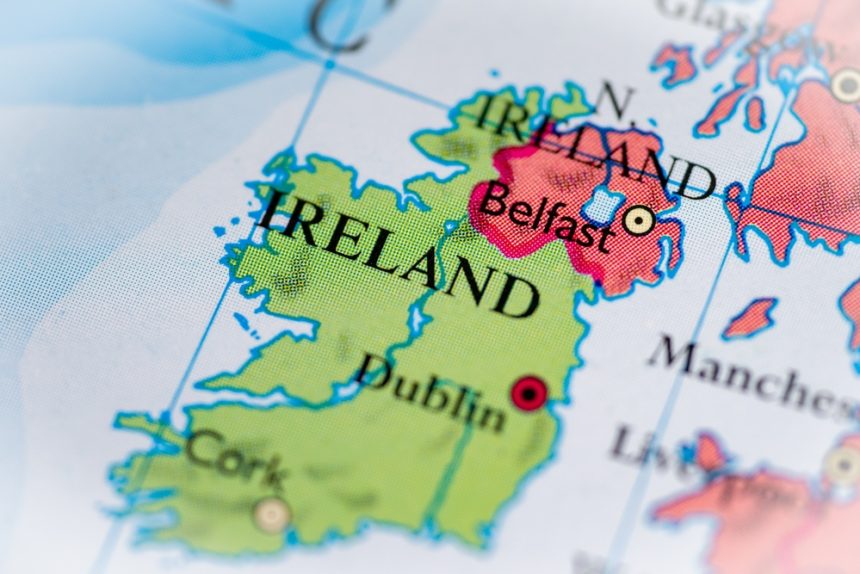
Ireland has become the center of the backlash because the protests have directly interfered with the country’s fuel supply system. Hauliers, farmers and other groups have used tractors and trucks to block roads, ports and critical fuel sites, creating a situation where shortages are no longer a theoretical risk but a live operational problem.
The disruption has hit fuel stations, travel routes and parts of Dublin, while also threatening broader supply chains. When protesters target distribution chokepoints rather than only city centers, the pressure on government rises much faster because the consequences become visible in empty forecourts, delivery failures and growing public anxiety.
That is why Irish officials have responded so forcefully. The issue is no longer simply whether people are angry about prices. It is whether the state can keep fuel, food and emergency services moving if the blockades continue.
Shortages have turned a protest into a national test
Warnings from Irish authorities and industry groups suggest the fuel disruption could deepen quickly if movement around key facilities is not restored. Once forecourts start running dry, the problem feeds on itself as motorists rush to fill up, stock imbalances widen and delivery schedules become even harder to stabilize.
This dynamic makes fuel protests especially dangerous. They do not merely express frustration. They can create the very scarcity that intensifies that frustration. In Ireland, that feedback loop has already begun to show itself, which explains why public appeals to buy only what is needed have become part of the government response.
The authorities also understand that this is not only about fuel for private drivers. If shortages spread further, the knock-on effects reach healthcare, food distribution, freight and everyday business activity. That is what turns a protest over prices into a broader economic emergency.
The government is trying pressure and support at once
Dublin’s response has combined enforcement with promises of financial relief. The government has made clear that the blockades must end, while also working on support for sectors hit hardest by diesel and petrol costs. That reflects a familiar political dilemma. Officials need to discourage disruption without appearing indifferent to the real hardship that triggered it.
The challenge is that once a movement reaches this level of confrontation, support measures that may have seemed meaningful on paper can look insufficient to protesters who now believe only stronger concessions will matter. That is one reason talks can drag on without calming the streets. The political argument shifts from whether help is coming to whether it is large enough and arriving fast enough.
In practice, this means the Irish government must solve two problems at once: restore normal access to fuel and persuade protesters that ending the blockades will not leave them ignored once the roads reopen.
Norway shows the anger is broader than one market
The protest in Norway matters because it shows this is not just an Irish domestic dispute. Even in a country with oil production and temporary fuel tax cuts, transport operators are still angry enough to organize visible demonstrations. That tells governments across Europe that public frustration is being driven not only by national tax policy, but by a much wider sense of volatility and loss of control.
For hauliers and drivers, the complaint is not simply that prices are high. It is that they are unstable, difficult to predict and capable of making normal business planning almost impossible. In sectors with tight margins, that kind of uncertainty can be as damaging as the price level itself.
The Norwegian protest is therefore important as an early sign. It suggests that even where governments act, the political pressure may not disappear unless households and transport firms believe the wider energy market is moving back toward stability.
The real problem is that the fuel shock is not over
Both countries are reacting to the same wider cause: the disruption in global oil flows since the conflict in the Middle East intensified and the Strait of Hormuz became constrained. Even with a ceasefire in place, prices remain high enough to keep pressure on consumers, logistics firms and agricultural operators. That means the political energy behind these protests may not fade quickly.
This is what makes the situation so difficult. Governments can trim taxes, offer rebates and negotiate with industry groups, but they cannot fully shield their economies from a global oil shock that is still unresolved. As long as fuel remains expensive and supply routes remain uncertain, domestic anger will stay close to the surface.
The protests in Ireland and Norway are therefore not isolated flare-ups. They are early warnings of what can happen when an international energy disruption begins to bite directly into local transport costs and daily life. If prices stay elevated for much longer, more governments may find themselves managing the same mix of shortage fears, road blockades and public fury.