
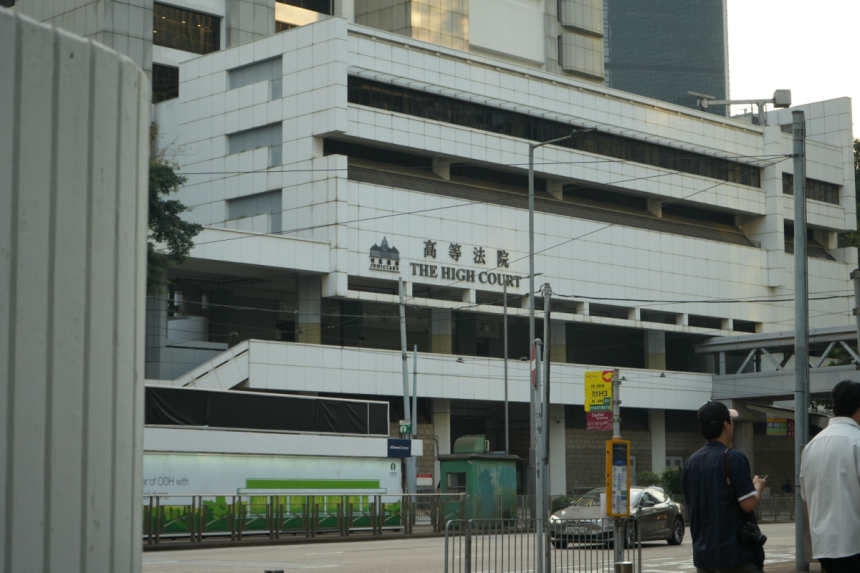
A Hong Kong court has convicted Kwok Yin-sang, father of overseas pro-democracy activist Anna Kwok, under the city’s homegrown national security legislation known as Article 23. The case has drawn international attention and criticism, as it marks the first prosecution under the new law for allegedly handling financial assets linked to a fugitive. Rights groups argue that the move signals an escalation in authorities’ efforts to target relatives of activists living abroad.
The ruling underscores the expanding reach of Hong Kong’s national security framework, introduced in phases since 2020, and highlights growing concerns over its implications for civil liberties and political dissent.
Charges Under Article 23
Kwok Yin-sang, 68, was found guilty of attempting to deal with financial assets belonging to an absconder. Prosecutors alleged that he sought to withdraw 88,609 Hong Kong dollars from an education savings insurance policy he had purchased for his daughter when she was a child. Authorities argued that any direct or indirect handling of assets associated with a wanted individual constitutes a violation under Article 23.
Anna Kwok, who is based in Washington, helps lead the Hong Kong Democracy Council and is among 34 overseas activists sought by Hong Kong national security police. She faces accusations of collusion with foreign forces, and a bounty of 1 million Hong Kong dollars has been offered for her arrest.
The court ruled that since Anna Kwok is classified as a fugitive, managing her financial assets was unlawful. Sentencing is expected within weeks, with a maximum penalty of seven years in prison.
Defense Arguments and Bail Conditions
Kwok Yin-sang pleaded not guilty and did not testify during the trial. His defense counsel argued that the relevant provisions of Article 23 should not apply to long-standing family financial arrangements, characterizing the prosecution as one rooted in familial association rather than criminal intent.
Following his arrest, Kwok was initially denied bail but later granted release under strict conditions, including a travel ban and restrictions on communication with his daughter. His son was also arrested on similar allegations and remains on bail.
International Criticism and Broader Context
Human rights organizations have condemned the conviction, describing it as punitive and indicative of a broader strategy to pressure activists abroad. Critics argue that targeting family members mirrors practices more commonly associated with mainland China and reflects a tightening political climate in Hong Kong.
Since the imposition of a sweeping national security law by Beijing in 2020, Hong Kong’s legal and political landscape has undergone significant transformation. In 2024, the city enacted Article 23 to strengthen national security provisions, a move authorities described as necessary to close legislative gaps. Opponents, however, contend that the expanded framework further restricts dissent and civil society activity.
Recent high-profile cases, including the 20-year sentence handed to media entrepreneur Jimmy Lai for national security offenses, have intensified scrutiny of the city’s judicial system and its alignment with mainland legal approaches.
Conclusion
The conviction of Kwok Yin-sang marks a notable development in the enforcement of Hong Kong’s Article 23 legislation. As authorities extend national security measures to individuals connected to activists abroad, the case raises complex legal and political questions about accountability, association, and the evolving boundaries of the city’s autonomy.