

Behind-the-Scenes Funding for Arm Compatibility
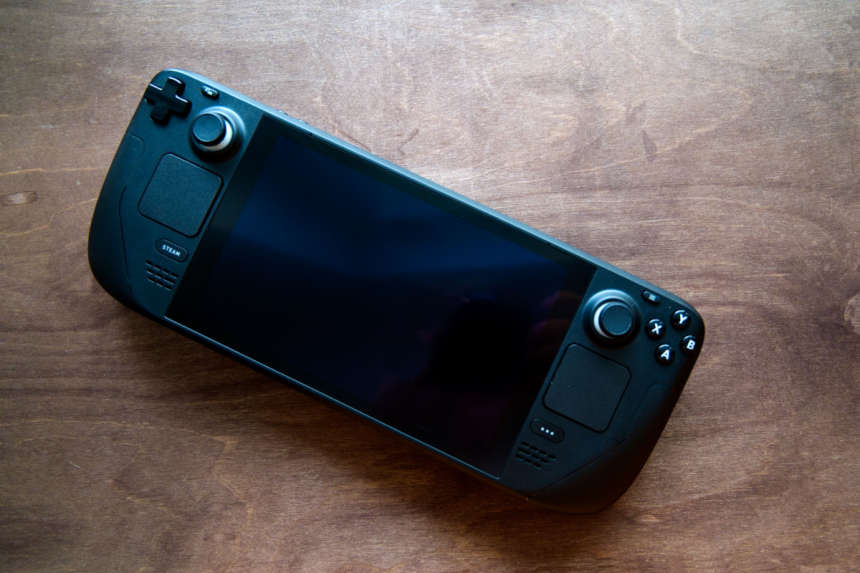
Valve is emerging as a major force in the tech industry’s shift toward Arm processors. Pierre-Loup Griffais, one of the minds behind SteamOS and the Steam Deck, revealed that the company has been quietly funding open source projects designed to let Arm-based systems run x86 Windows games. The effort centers on Fex, a compatibility layer intended to do for Arm what Proton has already achieved on Linux: seamless Windows game support without requiring developers to build separate ports.
Griffais explained that Valve’s goal is to eliminate fragmentation for both players and developers as new devices enter the market. By ensuring games can run with minimal or no modification, Valve hopes to expand PC gaming to platforms that historically struggled to support major titles.
Proton Meets Arm: How SteamOS Is Evolving
Valve confirmed it is working on an Arm-based version of SteamOS. The new build mirrors today’s SteamOS, using Arch Linux, the same code base, and the same update system. The key difference is an Arm-aware version of Proton that integrates the Fex emulator, enabling Windows x86 games to run smoothly on Arm devices.
Proton itself is essentially a game-focused distribution of the Wine compatibility layer. Griffais noted that when experimental Proton changes mature, they’re pushed back upstream to Wine, benefiting users far beyond the Steam ecosystem. The Arm transition adds a new layer: Fex relies on just-in-time translation to generate Arm code. According to Griffais, performance penalties are minimal because most Proton components run natively on Arm.
This approach resembles Microsoft’s work on its Prism emulator for Windows 11 on Arm, though specific architectural differences remain unclear.
Bigger Ambitions: Consoles, Handhelds, and Desktop PCs
Griffais hinted that Valve expects to see both handheld and desktop SteamOS PCs running on Arm in the near future. He also teased “living-room based devices,” prompting speculation that Valve may be preparing a console-style product built around an Arm chipset.
Valve has been financially supporting Arm-related development for years, long before public discussions about Arm’s role in gaming intensified. That investment appears strategic: the company wants developers to spend time improving games—not rewriting them for different CPU architectures.
Is Arm the Future of Gaming?
Griffais described Arm’s current sweet spot as lower-performance hardware, such as devices below the Steam Deck’s class. But he stopped short of predicting a full industry shift. Still, by porting SteamOS, Proton, and Fex to Arm, Valve is preparing for a future where Arm processors may power everything from handhelds to high-end gaming desktops.
If Arm devices eventually match or exceed x86 performance, Valve’s groundwork could ensure that thousands of existing Windows PC games instantly run on new hardware—a transformation that could redefine platform flexibility across the gaming industry.