

Small Businesses Scramble as Costs Swing
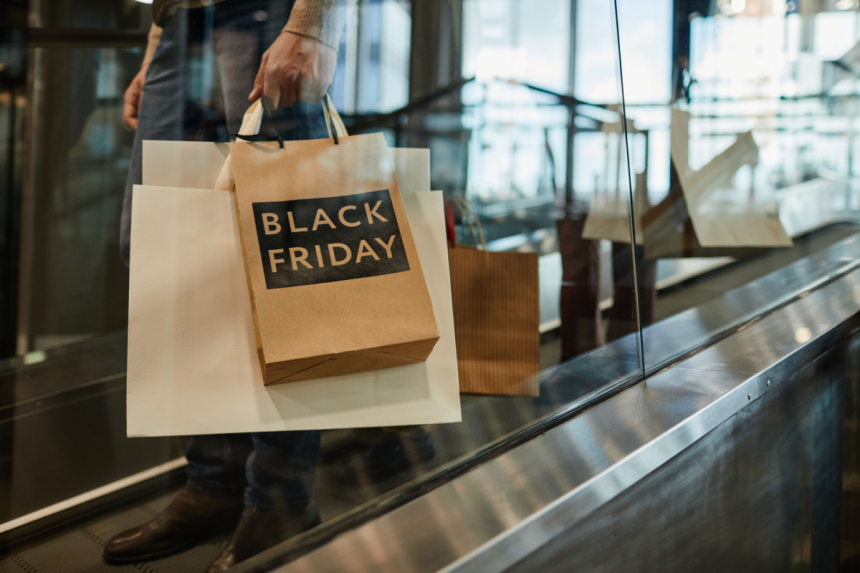
For many small U.S. retailers, the holiday shopping season is normally a chance to stabilize their yearly balance sheets. This year, abrupt tariff changes have turned it into a logistical scramble. Matt Hassett, founder of New York-based sleep wellness brand Loftie, said shifting import duties on goods from China have thrown his operations into chaos. Loftie, which relies on Chinese factories for sunrise lamps and phone-free alarm clocks, is heading into Black Friday with only 10% of the inventory it needs.
“It’s been very difficult to prepare,” Hassett said, noting that months of uncertainty delayed ordering and left stock dangerously low at the busiest time of year. His company briefly considered moving production to Thailand, but when the tariff rate on China dropped to 20%, the higher production costs in Southeast Asia outweighed the benefit.
Inventory Crunch Hits Smaller Retailers Hardest
Small firms across the country are facing similar trade-induced strains. Brooklyn-based travel accessories brand Lo & Sons scouted factories in India and Cambodia earlier this year, only to return to its long-time Chinese supplier after months of wavering tariff guidance. “The uncertainty prevented us from placing purchase orders,” CEO Derek Lo said. “Now we’re sitting on lower-than-ideal inventory.”
While major retailers like Walmart and Costco can leverage global supply chains and financial scale to absorb disruptions, smaller businesses do not have that cushion. Data from RapidRatings shows that operating margins for U.S. retailers with fewer than $50 million in assets have fallen to -20.7%, with 36% now considered at high risk of bankruptcy — compared to 12% of large retailers.
Higher Costs, Job Cuts and Narrower Product Lines
The volatility has forced some small retailers to trim offerings or cut staff to preserve cash. Others placed large holiday-season orders to get ahead of potential tariff spikes, but risk being stuck with excess inventory if consumer sentiment continues to soften. Rising prices, political tensions and slowing demand have created a fragile backdrop for the year.
The effects ripple across sectors. New York jewelry brand Haus of Brilliance shifted part of its production from India — where tariffs are around 50% — to Thailand and the United States. Founder Monil Kothari said the company’s first Thai-produced shipment is expected before Christmas, but shortages will persist into next year. “We will have shortages this holiday season and into next year,” he noted.
Lost Sales as the Holiday Season Begins
Some relief may still arrive. Loftie has a shipment scheduled to land just in time for Black Friday. But even with that incoming stock, Hassett says missed opportunities have already taken a toll. “We could’ve made 50% more sales if we had enough inventory,” he said, adding that this year’s turbulence underscores how vulnerable small retailers are to sudden shifts in trade policy.
With November and December typically accounting for one third of annual retail profits, the next few weeks remain crucial — but for many small businesses, the window to prepare has already closed.