

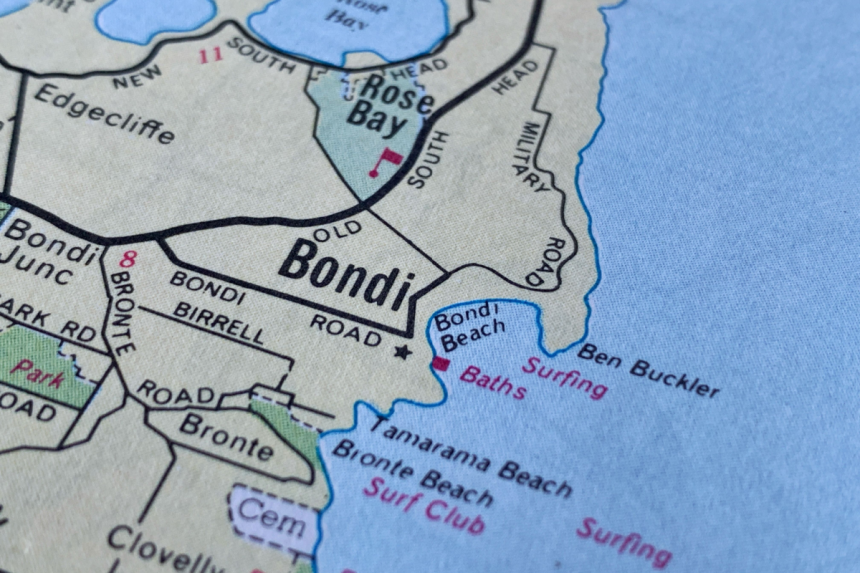
Newly released court documents have provided detailed insight into the planning and execution of the deadly Bondi Beach attack that killed 15 people in December. The records outline months of preparation, weapons training, reconnaissance visits, and the use of improvised explosive devices. The revelations have intensified political scrutiny and renewed debate over counterterrorism, gun control, and intelligence failures in Australia.
Alleged Planning and Preparation
Footage recovered by investigators reportedly shows the men firing shotguns and moving tactically during training sessions. Other videos allegedly depict the suspects expressing extremist motivations and referencing the Islamic State group.
The documents allege that the attackers attempted to use multiple improvised explosive devices at the start of the assault, including three pipe bombs and a so called tennis ball bomb. None of the devices detonated. Police believe the explosives were thrown toward the crowd before the gunmen opened fire using shotguns and a rifle.
Fourteen victims were killed at the scene, with another later dying in hospital. Sajid Akram was shot dead during a confrontation , while Naveed Akram survived and has since been transferred to prison after being charged with 59 offences, including murder and terrorism.
CCTV Evidence and Timeline
Investigators outlined a detailed timeline based on CCTV footage. In the early hours of the day of the attack, the suspects were seen leaving an Airbnb in Campsie carrying long wrapped items later identified as firearms, explosives, and extremist flags. Later that evening, they arrived near Bondi Beach, placed the flags inside their vehicle, and moved toward a footbridge from which the attack was launched.
Political Fallout and Security Questions
The release of the documents has increased pressure on Prime Minister :contentReference[oaicite:3]{index=3}, particularly from the Jewish community, over whether antisemitic threats and extremist warnings were taken seriously enough. Albanese has apologized and pledged stronger action against extremism and hate speech.
Questions have also emerged regarding prior intelligence assessments, including earlier investigations into Naveed Akram’s alleged extremist ties and the suspects’ ability to travel overseas and acquire weapons. Calls for a Royal Commission into the attack are growing.
Legislative Response
In response to the attack, New South Wales lawmakers have been recalled to debate new gun control and protest legislation. While state officials argue the measures are necessary to protect public safety, civil liberties groups and gun advocates warn of potential overreach.
Conclusion
The court documents paint a detailed picture of a planned terrorist attack involving explosives, firearms, and extremist ideology. As investigations continue, the Bondi Beach tragedy is reshaping Australia’s national conversation on security, intelligence oversight, and the balance between public safety and civil rights.