

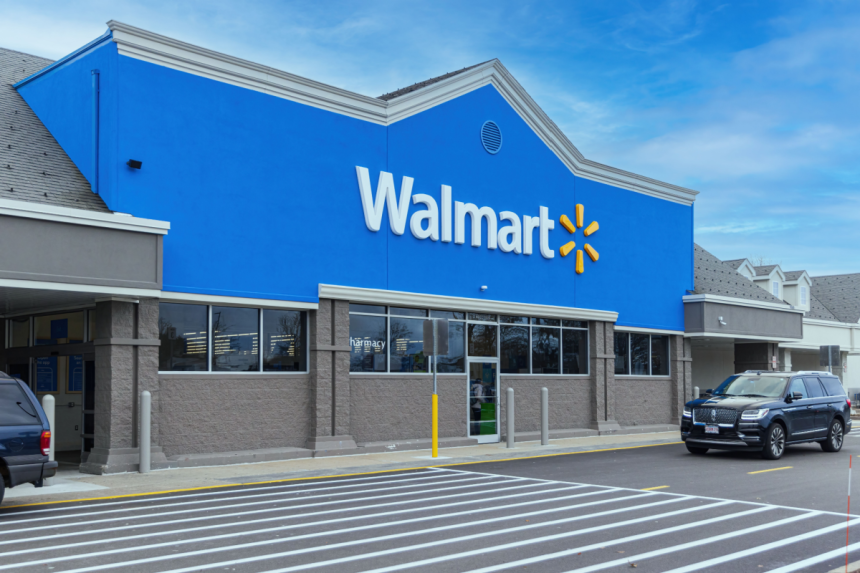
As many Americans continue to face inflation and elevated prices, Walmart has strengthened its position as a leading destination for budget-conscious shoppers. The retailer’s latest quarterly results underscore a shift in consumer behavior, with more households across income levels seeking value on essentials. Walmart’s ability to leverage its scale, streamline operations, and invest heavily in its stores and online infrastructure has placed it at the center of spending habits during the cost of living squeeze.
Rising Sales and Changing Shopping Patterns
In its newest earnings report, Walmart reported a 4.5% increase in US sales for the previous quarter. Customer visits grew, and shoppers spent more per trip, reinforcing the company’s growing appeal during economic strain. Walmart also raised its sales and profit expectations, signaling confidence ahead of the holiday season.
Much of this momentum comes from middle-income and higher-income shoppers who are shifting their grocery and household purchases toward Walmart in search of lower prices. This shift highlights Walmart’s ability to retain its traditional core customers while attracting new groups seeking relief from inflation.
Strategic Investments Bolster Performance
Walmart has poured billions into wages, store improvements, digital logistics, and its e-commerce network. These investments have helped the retailer expand its grocery offerings, improve in-store experiences, and enhance delivery and pickup services. The combination of price competitiveness and smoother operations has enabled Walmart to capture market share from rivals.
CEO Doug McMillon noted that the company is gaining ground in delivery speed and inventory management, reinforcing that its strategy is delivering results. McMillon, who is retiring after 11 years at the helm, will be succeeded in February by John Furner, head of Walmart US.
Competition With Target and Dollar Stores
Walmart’s performance stands in contrast to Target, which has experienced stagnant sales for several years. Walmart’s advantage lies in its dominant grocery business, a frequent-purchase category that drives repeat visits. Recent improvements in produce and fresh food offerings have strengthened this lead.
Beyond groceries, Walmart has narrowed the gap with Target in apparel and home goods, further attracting customers looking to consolidate shopping trips. At the same time, Walmart is also winning customers from dollar stores such as Dollar General as budget-strained households seek greater value and availability across a wider range of products.
Conclusion
Walmart’s latest results highlight its growing role as a stabilizing force for American consumers navigating high prices. Its investment-driven strategy, strong grocery presence, and expanding appeal across income levels have positioned it as a key winner in a challenging economic environment. With leadership transitioning early next year, the company appears poised to continue shaping consumer spending trends well into the future.