
Gold loses ground while industrial metals reflect recession fears
Metal prices fell sharply on Thursday as investors reassessed the economic damage that could follow from higher oil prices linked to the war between the United States and Iran. The decline was broad, hitting both traditional safe-haven assets and industrial commodities, and reflected a market increasingly focused on the possibility that rising energy costs could reshape inflation expectations, delay interest-rate cuts and weaken global growth.
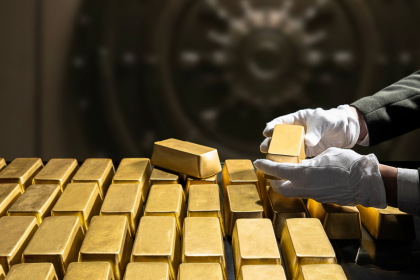
Gold dropped nearly 6 percent, while silver slid 8 percent. The selling was not limited to precious metals. Copper fell 2 percent and palladium lost 5.5 percent, showing that the pressure had spread into areas more closely tied to industrial activity and demand expectations. The size of the move suggested investors were not responding to a single market theme, but to a more complicated mix of inflation, rates and recession risk.
The reaction is striking because gold would normally be expected to benefit during a geopolitical crisis. Instead, it has been falling since the Iran conflict began. That divergence has highlighted how the current market is being driven less by immediate safe-haven demand and more by concern that the oil shock could keep monetary policy tighter for longer.
Higher oil and higher yields are undercutting bullion
The key pressure on precious metals has come from interest rates. As oil prices rise, investors fear inflation could reaccelerate and reduce the chances of near-term rate cuts from central banks. That prospect pushes bond yields higher and tends to hurt assets such as gold that do not generate income. The US 10-year Treasury yield moved above 4.3 percent at one point on Thursday, reinforcing the shift in market thinking.
A stronger dollar has added to the pressure. If higher rates support the US currency, gold becomes more expensive in other currencies and loses some of its appeal. That has helped explain why bullion has weakened even as geopolitical tension intensifies. In this environment, the market is treating gold less as a shelter from conflict and more as an asset competing with rising real yields.
The message from the price action is that investors are focused on the policy consequences of the war rather than the conflict alone. If the oil surge leads to tighter financial conditions and fewer expected rate cuts, metals that thrive when yields are low may continue to struggle in the near term.
Copper and palladium now reflect demand anxiety
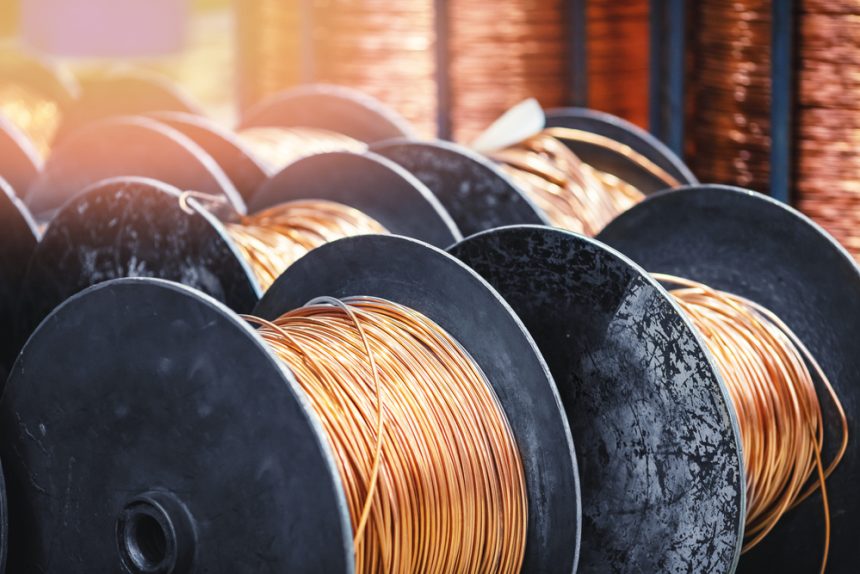
Industrial metals had initially shown more stability after the war began, but that steadiness has broken down as concern over economic growth has increased. Copper, in particular, is often treated as a barometer for the health of the global economy because of its role in electronics, wiring, plumbing and industrial production. When copper prices weaken, markets often read it as a sign that investors expect slower activity ahead.
That is becoming a more important theme as the war continues. The longer oil remains elevated, the greater the risk that consumers and businesses start to change spending patterns. Higher fuel and transport costs can gradually reduce demand, slow investment and weaken confidence. Traders are increasingly discussing the possibility of demand destruction, the stage in an energy shock where the damage to consumption and growth begins to outweigh the initial supply story.
Palladium’s decline fits into that same pattern. As a metal tied to industrial use, it is sensitive to broader concerns about manufacturing and economic momentum. The sell-off therefore suggests that markets are beginning to look past the immediate geopolitical event and price in what a sustained oil shock could mean for global demand.
Stagflation fears are rising, but not everyone is convinced
The combination now troubling investors is familiar: higher inflation alongside slowing growth. That is the classic foundation of a stagflation trade, and some of the moves in metals and rates reflect exactly that concern. If oil stays high long enough to lift prices while also dragging on activity, central banks could find themselves trapped between inflation pressure and weaker growth.
Not everyone believes that outcome is likely. Some analysts argue that modern economies are less vulnerable to prolonged oil-driven stagflation than they were in earlier decades, particularly during the 1970s. They point to more recent examples, such as the 2022 energy shock after Russia’s invasion of Ukraine, when inflation rose but recession did not fully follow. Federal Reserve Chair Jay Powell has also pushed back on using the term too freely, saying he would reserve it for much more severe conditions.
Even so, the metal market is already reacting to the possibility. Some investors believe industrial metals may struggle until the war ends and oil prices stabilize. Others argue that gold could recover later if attention shifts back toward rising government debt, larger deficits and the financial consequences of military spending. In that case, bullion could regain support as a hedge against currency debasement and fiscal strain. For now, however, Thursday’s trading showed a market dominated by one message: when energy shocks begin to threaten both growth and policy easing, metals can all fall together, even those that are supposed to provide protection.