
Manufacturing expands again as cost pressures accelerate
U.S. manufacturing output continued to grow in February, but a sharp jump in factory input costs signaled renewed inflation risk for goods even before the latest surge in oil prices. Data released Monday by the Institute for Supply Management showed the sector holding in expansion territory for a second month, while a key measure of prices paid at the factory gate rose to its highest level in nearly three and a half years.
The ISM manufacturing purchasing managers index printed at 52.4, little changed from 52.6 in January. Any reading above 50 indicates expansion. Economists surveyed by Reuters had expected a slower pace of 51.8. The report followed a January rebound that ended a long stretch of weakness, after the sector spent 10 consecutive months in contraction territory.
The cost picture was far less calm. The survey’s prices paid index climbed to 70.5 from 59.0 in January, marking the highest reading since June 2022. The rise suggested faster pass through from tariffs and other supply frictions, and it arrived as oil markets reacted to conflict in the Middle East.
Tariffs and metals costs push the price gauge to 2022 highs
Business comments in the survey described a split environment in which some firms see steadier demand, while others report that trade policy is still restraining activity and raising costs. Manufacturing represents 10.1% of the U.S. economy, and many respondents linked price increases to metals, supply chain decisions, and tariff driven sourcing shifts.
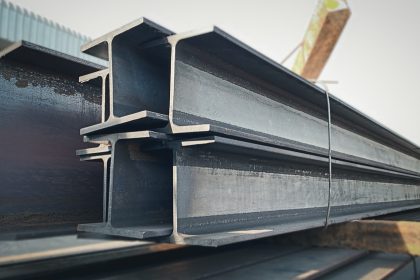
ISM Manufacturing Business Survey Committee Chair Susan Spence said the price gauge continues to be lifted by higher steel and aluminum costs that ripple through the value chain, alongside tariffs applied to many imported goods. The survey narrative included repeated references to suppliers citing tariff related reasons for price increases, with some buyers disputing whether those claims were justified.
The policy background has been fluid. The U.S. Supreme Court last month struck down tariffs pursued by President Donald Trump under a statute intended for national emergencies. Trump then implemented a new 10% global tariff for 150 days as a replacement for some of the emergency duties and later announced it would increase to 15%. Respondents said these shifts have affected purchasing decisions and the total cost of acquiring equipment and inputs.
Several manufacturers described how tariffs can narrow sourcing options by pushing more procurement into domestic markets. Machinery producers said policy changes were influencing total acquisition costs and supplier choices, while some transportation equipment makers warned that tariffs were lifting prices even as demand and profitability weaken. Others pointed to high domestic pricing for materials such as steel and aluminum compared with the rest of the world.
Orders stay firm, but jobs remain soft amid uneven demand
Despite the inflation signal, the activity details were not uniformly weak. ISM reported growth in 12 industries, including primary metals, machinery, electrical equipment, transportation equipment, miscellaneous manufacturing, and computer and electronic products. Five industries contracted, including furniture and related products and food, beverage and tobacco products.
Forward indicators suggested demand remains supportive, though no longer accelerating at the January pace. The new orders sub index eased to 55.8 from 57.1, which had been the strongest reading since February 2022. A gauge of backlog orders rose to its highest level since May 2022, implying that supply constraints and longer production timelines may be contributing to order accumulation. Export orders were steady.
Supplier performance continued to worsen. The supplier deliveries index increased to 55.1 from 54.4. In this survey, a reading above 50 means deliveries are slowing. Longer delivery times can reinforce price pressure when manufacturers must carry higher inventories, pay rush fees, or compete for scarce materials.
Employment remained a weak point. The manufacturing employment index edged up to 48.8 from 48.1, still below 50 and consistent with declining payrolls in the sector. ISM said companies were leaving positions unfilled to manage headcount. Factory employment has fallen by 83,000 jobs since January 2025, indicating that the sector has not delivered the broad revival that Trump argued tariffs would produce.
Not all pockets were downbeat. Some fabricated metal products firms described improving conditions and expanding backlogs, with hiring focused on skilled roles such as experienced engineers and computer numerical control operators. Technology linked manufacturing also showed support from the faster adoption of artificial intelligence and the construction of data centers, which has provided demand for certain components and equipment even as other categories remain pressured by tariffs.
Fed outlook shifts as oil shock adds another inflation risk
Economists said the combination of higher ISM input costs and a recent acceleration in producer prices strengthens the case for a cautious Federal Reserve. The government reported last week that producer prices increased more quickly in January, and the ISM price surge suggests further goods inflation may already have been building.
Thomas Ryan, a North America economist at Capital Economics, said the jump in the prices paid index could draw attention at the Fed because it points to further goods inflation pressure even before incorporating the latest rise in oil tied to Middle East events. John Ryding, chief economic advisor at Brean Capital, called the reading uncomfortable after the January producer price report and said the sector is trying to navigate new Section 122 tariffs at the same time an oil shock could hit.
Oil prices rose sharply after U.S. and Israel strikes on Iran over the weekend killed Iran’s Supreme Leader Ayatollah Ali Khamenei, followed by retaliation from Tehran. Additional price pressure could come from disruptions to shipping through the Strait of Hormuz, which has helped push crude prices higher, with oil rising as much as 13% on Monday.
Financial markets reacted by trimming expectations for near term rate cuts. Stocks traded higher, the dollar strengthened against a basket of currencies, and U.S. Treasury yields rose. The CME FedWatch Tool showed markets lowering the probability of a rate cut at the Fed’s June meeting, reflecting concern that inflation risks may keep policy restrictive for longer.