
Temporary halt highlights fragile diplomacy as conflict continues to disrupt energy markets
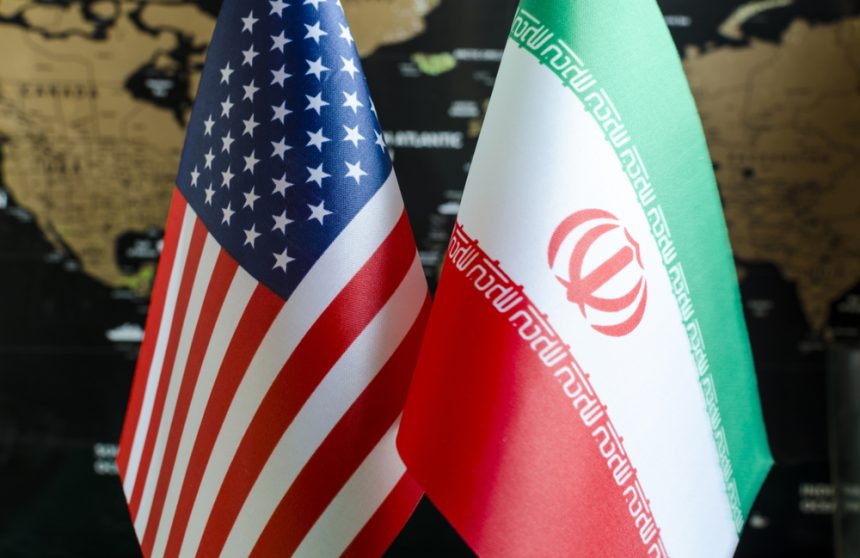
U.S. President Donald Trump announced a temporary pause in attacks on Iran’s energy infrastructure, granting a 10-day window for diplomacy while insisting that negotiations are progressing positively. The decision, framed as a response to a request from Tehran, comes amid nearly four weeks of conflict that have severely disrupted global energy flows and heightened geopolitical tensions.
The pause, set to run until early April, marks a tactical shift rather than a clear de-escalation. While Trump described talks as “going very well,” Iranian officials offered a sharply different assessment, dismissing a U.S. proposal to end the conflict as one-sided and unfair. That divergence underscores the fragile and uncertain nature of any potential diplomatic breakthrough.
The broader context remains volatile. The war has already sent oil prices sharply higher and disrupted key shipping routes, particularly through the Strait of Hormuz, a critical artery for global energy supply. Even with the announced pause, markets and policymakers remain focused on whether the conflict is moving toward resolution or entering a more prolonged phase.
Energy markets remain under pressure despite pause
The economic impact of the conflict continues to intensify. Oil prices have surged significantly since the fighting began, while liquefied natural gas shipments and fertilizer costs have also risen sharply. These shifts are feeding into global inflation pressures, particularly in sectors linked to transportation, food production and industrial output.
Although the announcement of a pause provided some short-term relief in financial markets, underlying uncertainty remains high. The Strait of Hormuz, through which a large share of global oil supply typically flows, has effectively been constrained by the conflict. While some vessels have resumed limited transit under specific conditions, the overall situation remains unstable.
Any sustained disruption in this corridor has immediate global consequences. Reduced supply, higher transportation risks and insurance costs all contribute to elevated energy prices, which in turn ripple across economies worldwide.
Diplomacy advances, but positions remain far apart
Efforts to reach a negotiated settlement are ongoing, with indirect talks reportedly taking place through intermediaries including Pakistan. The United States has presented a detailed proposal outlining conditions for ending the conflict, including demands related to Iran’s nuclear program and broader regional security issues.
However, the gap between the two sides remains wide. Iranian officials have indicated that the proposal largely reflects U.S. and Israeli priorities, while maintaining that diplomacy is still possible. At the same time, Tehran has hardened its own position, reportedly seeking guarantees against future military action, compensation for damages and greater control over strategic routes such as the Strait of Hormuz.
This combination of ongoing dialogue and entrenched positions suggests that negotiations, even if they progress, are likely to be complex and prolonged. The temporary pause in military actions may provide space for talks, but it does not resolve the fundamental disagreements driving the conflict.
Military escalation risks remain high
Despite the diplomatic signals, military activity has continued across the region. Iran has launched missile strikes targeting Israeli cities and U.S. positions, while retaliatory strikes have hit locations within Iran. The conflict has expanded geographically, affecting multiple countries and raising concerns about further escalation.
The United States has also increased its military presence in the region, fueling speculation about the potential for broader intervention. While no definitive plans have been outlined, the buildup adds another layer of uncertainty to an already tense situation.
The risk is that the pause becomes only a brief interruption rather than a turning point. If negotiations fail or tensions escalate again, the conflict could intensify further, with significant implications not only for regional stability but also for global markets and economic growth.
Global impact depends on next diplomatic moves
The coming days will be critical in determining whether the current pause leads to meaningful progress or simply delays further escalation. Financial markets, energy producers and governments are closely watching developments, aware that the outcome will shape the trajectory of both the conflict and the global economy.
If a diplomatic path emerges, it could stabilize energy flows and ease pressure on prices. If not, the combination of sustained military activity, disrupted supply chains and rising costs could deepen the economic impact already being felt worldwide.
For now, the situation remains finely balanced. The pause offers a narrow window for negotiation, but with both sides maintaining firm positions and military actions continuing, the path to resolution remains uncertain and increasingly difficult to define.