
Immediate suspension announced
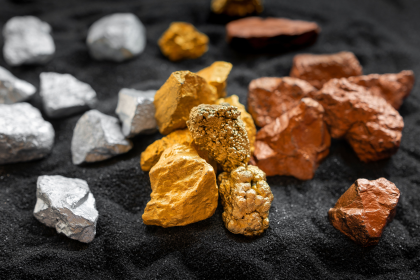
Zimbabwe has suspended exports of all raw minerals and lithium concentrates with immediate effect, according to a statement released Wednesday by Mines and Mining Development Minister Polite Kambamura.
The directive applies to all shipments, including minerals currently in transit. Authorities described the decision as being taken “in the national interest” and called for cooperation from the mining sector.
The government said it remains committed to strengthening transparency, domestic value addition, beneficiation and compliance in the export of the country’s mineral resources.
Stricter controls and export review
The move accelerates an earlier policy that had planned to ban lithium concentrate exports starting in January 2027. That timeline was originally intended to push companies to process and refine lithium domestically rather than exporting raw materials.
In correspondence sent to Zimbabwe’s Chamber of Mines, the ministry indicated it would review export procedures due to concerns over ongoing malpractices. Officials stated the review aims to curb leakages and improve system efficiency.
Lithium’s strategic importance
Zimbabwe holds the largest lithium reserves in Africa and has sharply expanded production in recent years. In the year ended December 2025, the country exported 1.128 million metric tonnes of lithium-bearing spodumene concentrate, an 11% increase from the previous year.
Much of Zimbabwe’s lithium concentrate has been shipped to China, where it is processed into battery-grade materials used in electric vehicles and renewable energy storage systems. The government is now seeking to capture a greater share of value from the global energy transition by encouraging domestic processing.
Chinese investment and local processing plans
Chinese mining firms including Zhejiang Huayou Cobalt, Sinomine, Chengxin Lithium Group and Yahua have invested heavily in Zimbabwe’s lithium sector.
Huayou has constructed a $400 million facility to convert lithium concentrates into lithium sulphate, an intermediate product that can be refined into lithium hydroxide or lithium carbonate. Sinomine has announced plans for a $500 million lithium sulphate plant at its Bikita mine.
Economic impact
Mining is Zimbabwe’s second-largest contributor to gross domestic product after manufacturing, accounting for 14.3% of national output, according to World Bank data.
Officials said further engagement with industry stakeholders will take place to clarify expectations and outline the next steps as Zimbabwe reshapes its mineral export policies.