

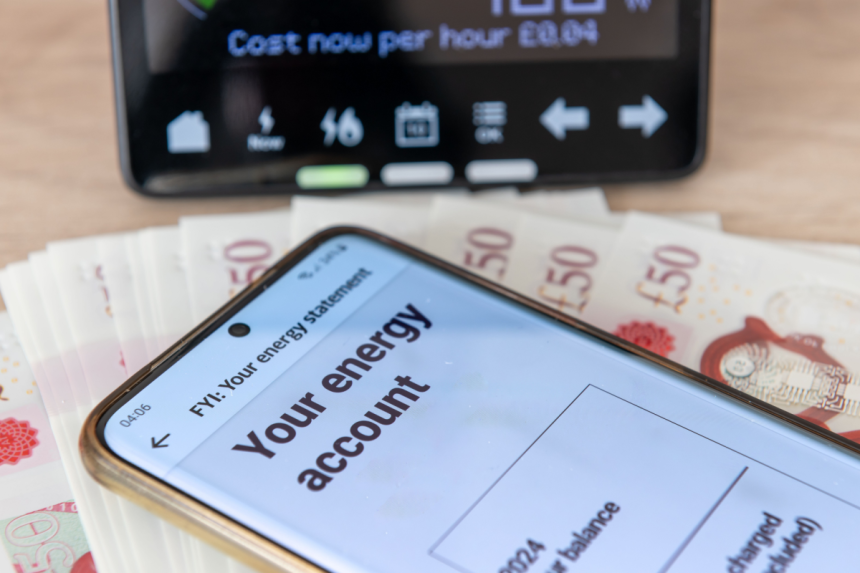
Overdue Balances Surge Nationwide
More Americans are falling behind on their energy bills as rising utility prices collide with broader increases in everyday living costs. A new report from The Century Foundation and Protect Borrowers shows that nearly one in 20 households was either in arrears or in collections on their utility bills as of June. The strain is especially severe across parts of the South and Appalachia, where one in 12 households is struggling with overdue balances.
The financial burden has grown rapidly. In the last three years, the average overdue utility balance jumped from $597 to $789, a 32% increase. Julie Margetta Morgan, president of The Century Foundation, warned that utility debt is a sign of a broader affordability crisis. “When we see families unable to pay their utility bills, it raises alarm bells,” she said, noting that it reflects mounting pressure across household budgets.
Energy Prices Continue to Climb
Electricity prices rose 10.5% between January and August 2025, one of the sharpest increases in a decade, according to data compiled by the National Energy Assistance Directors Association (NEADA). Natural gas costs have also risen, while growing demand from data centers and sustained high interest rates have added further pressure on utilities.
The financial hit is expected to grow more severe this winter. NEADA projects that average heating bills will climb nearly 8%, reaching about $976 per month for many households. The spike in winter utility costs is set to intensify the strain on families already juggling higher expenses for child care, housing and food.
Utility Shutoffs Threaten Millions
Falling behind on energy payments can lead to power shutoffs, leaving households without heating, refrigeration or internet access. NEADA estimates that 3.5 million households experienced shutoffs in 2024. That number could rise to 4 million this year.
Some states do bar utilities from disconnecting customers during extreme cold, but there are notable gaps. States without cold-weather shutoff protections include Alaska, Florida, Hawaii, Kentucky, Nebraska, North Dakota, South Carolina, Tennessee and Utah, according to the Energy Justice Lab. Even in states with safeguards, households remain vulnerable as overdue balances mount.
Low-income families are hit hardest. Mark Wolfe, NEADA’s executive director, said many households rely on payday lenders, family support or state assistance programs to cover reconnection fees or past-due bills. “When money is limited, people have to prioritize essentials like food and medicine, and utility bills become one of the few expenses they can postpone,” he told CBS News.
Sharp Increase in Shutoffs Across Major Utilities
Some of the nation’s largest utility providers are reporting a surge in disconnections. Con Edison, serving New York City and Westchester County, has cut power to almost 168,000 customers at some point this year — more than five times the number reported in 2024. While most households are reconnected within days, the disruption can pose health and safety risks, from frozen pipes to dangerously cold indoor temperatures.
As utility debt accelerates and winter approaches, experts warn that millions of Americans could face heightened instability unless energy costs ease or additional support becomes available. For many families, the margin for error is shrinking quickly.